Dolly Parton’s ‘Coat Of Many Colors’ Had Room For Us: What Black America Lost [Op-Ed]

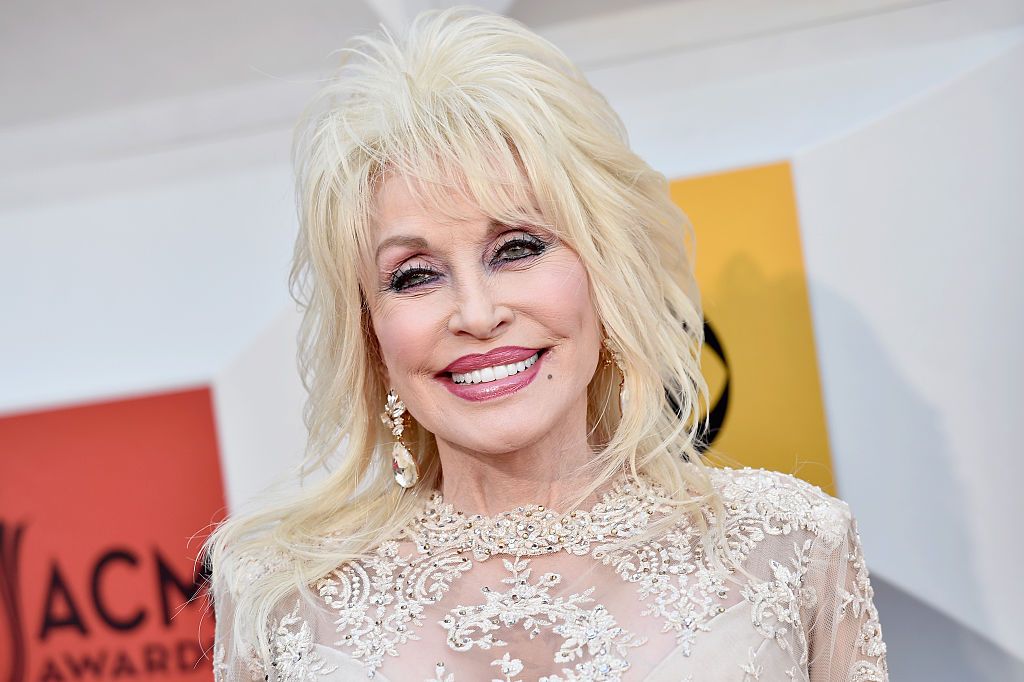
![Dolly Parton’s ‘Coat Of Many Colors’ Had Room For Us: What Black America Lost [Op-Ed]](https://bossip.com/wp-content/uploads/sites/28/2026/08/17876926442019.jpg?w=1024&strip=all&quality=80 "Dolly Parton’s ‘Coat Of Many Colors’ Had Room For Us: What Black America Lost [Op-Ed]")
Dolly Parton died Tuesday at 80 years old, and country music lost one of its grandmothers. The Associated Press confirmed her death and reflected on the seven-decade career she left behind.
But Black people lost something too.
Not because Dolly was Black. Not because proximity to Black celebrities automatically grants somebody honorary membership in our community. And certainly not because every beloved white celebrity needs to be posthumously transformed into a civil rights activist.
We lost someone who understood something about power that many people never learn:
When life gives you a lot of room, you don’t have to occupy all of it yourself.
Sometimes the assignment is to make room for somebody else.
And Dolly Parton had an extraordinary amount of room.
The Recording Academy lists Dolly Parton as a 10-time Grammy winner with 55 nominations and a 2011 Lifetime Achievement Award recipient. She entered the Country Music Hall of Fame, the Songwriters Hall of Fame, and eventually the Rock & Roll Hall of Fame. She received a Kennedy Center Honor, and in 2005, the National Endowment for the Arts awarded her the National Medal of Arts.
Dolly was not simply famous.
She was institutionally protected.
By the time Dolly Parton spoke, she did not need country music’s permission to remain Dolly Parton.
And that is important to understanding why her choices mattered.
There Are Beckys. There Are Hannahs. And Then There Was Dolly.
As a native Nebraskan, I have spent a significant portion of my life in relationship with white women, and somewhere along the way I developed my own unofficial classification system.
There are Beckys, and there are Hannahs.
A Becky is the most problematic version of a white woman: somebody who hears a critique of whiteness and immediately needs the conversation to become about whether she personally is a good person.
A Hannah understands that she is a white woman. She understands there is power associated with that whiteness. She does not confuse an interrogation of white supremacy with a personal attack against her.
More importantly, she asks what can be done with the access she possesses.
Dolly understood that assignment in ways I wish more white women did.
Because one of the hardest things for people with enormous platforms to do is allow somebody else to become bigger while standing on something they created.
Dolly did that with Whitney Houston.
She Let Whitney Have The Song
“I Will Always Love You” belonged to Dolly Parton long before Whitney Houston touched it.
Dolly wrote it and recorded it.
Then Whitney sang it.
And suddenly, a song Dolly wrote became one of the defining vocal performances in modern music.
There were endless opportunities for Dolly to make Whitney’s success with the record about Dolly’s ownership of it.
She didn’t.
At the 1994 Grammys, Dolly and producer David Foster presented Whitney with Best Pop Vocal Performance for the song, and Whitney stood in front of Dolly and thanked her for “writing beautiful songs.”
And Dolly’s pride in Whitney’s interpretation remained.
Years later, when asked what she thought the first time she heard Whitney’s recording, Dolly said she had “never been so proud” as a songwriter. Billboard later published Dolly reflecting on what Whitney did with the song.
That relationship taught me something.
Ownership does not have to become domination.
Another person’s brilliance touching something you created does not diminish your brilliance.
Sometimes the greatest evidence of what you built is watching somebody else take it somewhere you never could.
Then decades later came Beyoncé.
Dolly had publicly expressed excitement about Beyoncé recording “Jolene,” and when Beyoncé became the first Black woman to top Billboard’s Hot Country Songs chart with “Texas Hold ‘Em,” Dolly publicly celebrated her accomplishment.
Then Cowboy Carter arrived.
Beyoncé didn’t simply reproduce Dolly’s “Jolene.” She reconstructed its posture.
The woman begging Jolene not to take her man became a woman warning Jolene not to try.
And Dolly didn’t respond with territorialism.
She joined the album.
She became “Dolly P.”
After hearing Beyoncé’s reinterpretation, Dolly publicly celebrated it, joking that Beyoncé was “giving that girl some trouble.”
Again: room-making.
The post Dolly Parton’s ‘Coat Of Many Colors’ Had Room For Us: What Black America Lost [Op-Ed] appeared first on Bossip.