When Katie Taylor leaves the ring on Saturday night, she will have a claim to being the greatest women's boxer in history.
GOAT debates in combat sports are often fruitless — beyond having to compare fighters from different weight classes, different levels of competition and different millennia, we're reliably confused by both recency bias and the glow of nostalgia. We find it hard to ignore charisma and correct for its absence. We're biased, hopelessly so, and there are far too many pitfalls on the landscape. So it is refreshing then, although incredibly rare, for a fighter in the debate to transcend the question altogether.
Is Katie Taylor the greatest?
Maybe. Her staggering amateur career, culminating in Olympic gold in 2012, preceded a professional run that saw her become undisputed champion at two weight classes and dominate the lightweight division for years. She fought the best fighters of her generation, avenged her only loss, and of all her peers in the GOAT debate, she boasts the greatest singular win, defeating Amanda Serrano in an all-time classic firefight at Madison Square Garden in 2022. She went on to defeat Serrano twice more.
Others also have a claim. You might prefer earlier pioneers like Ann Wolfe or Laila Ali, or current multi-weight queen Claressa Shields. There are arguments for all.
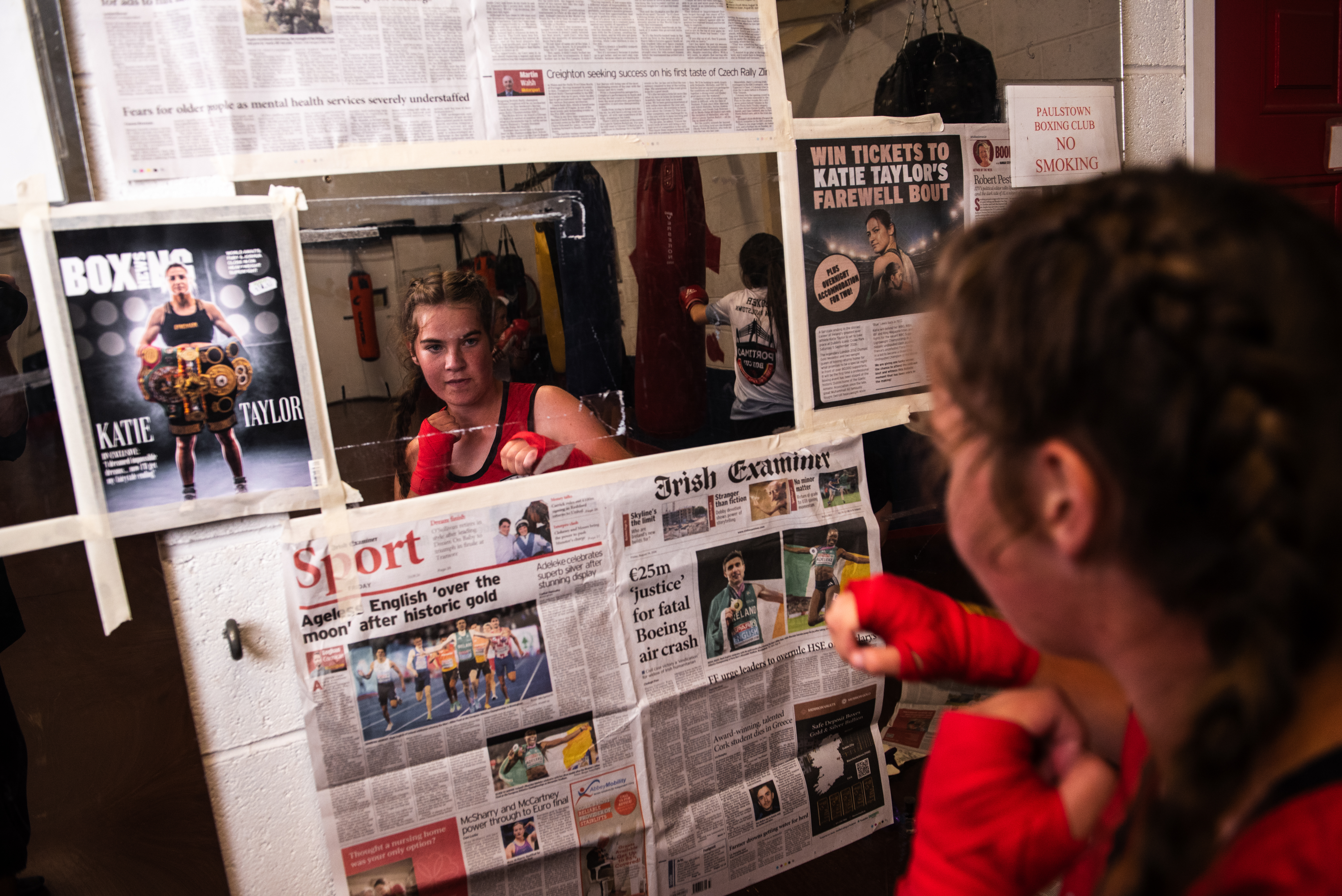
Where there is no debate, however, is in the cultural impact Taylor has made on women's boxing, particularly in her home country of Ireland.
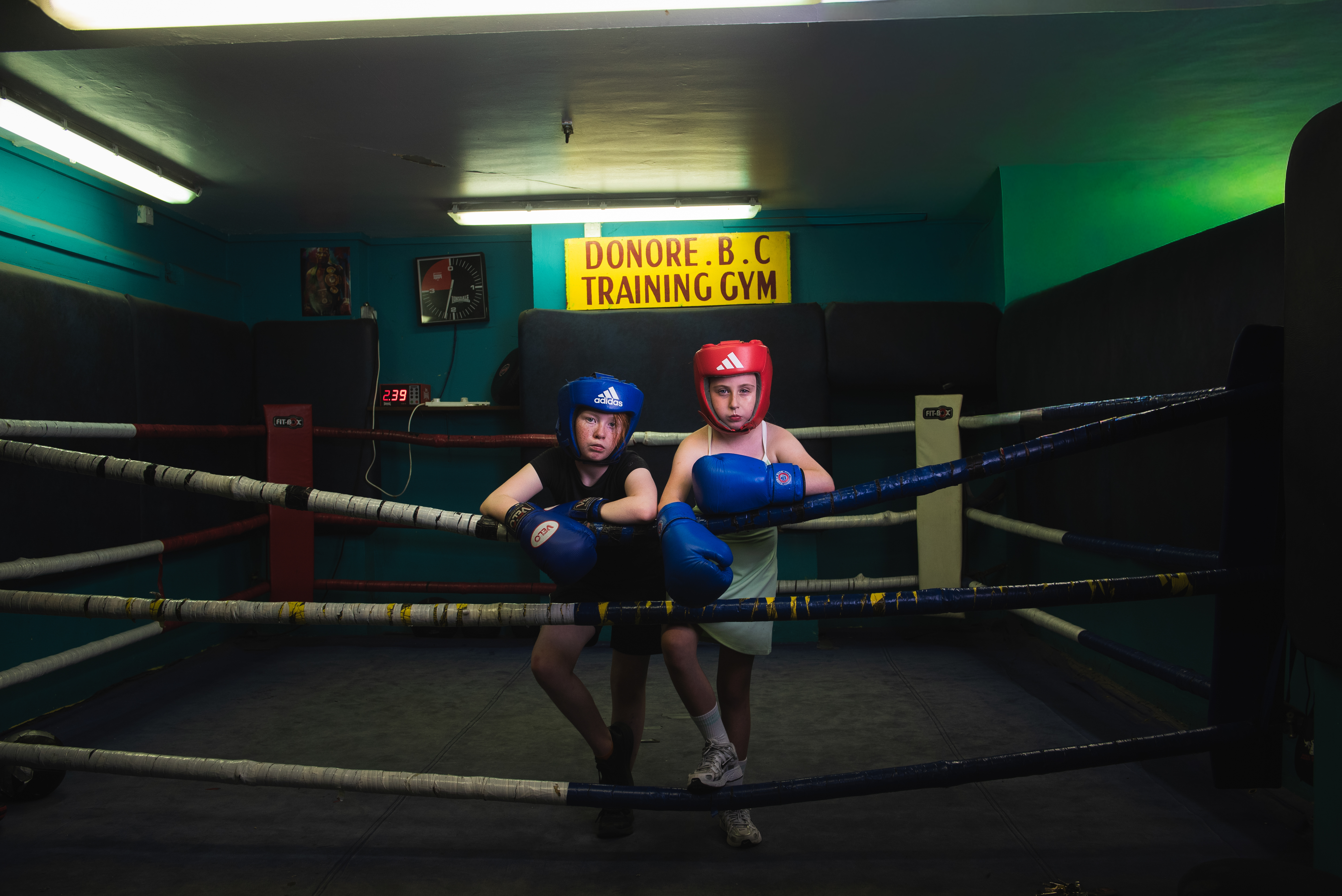
In this, she has no equal. Taylor entered the sport at a time when girls were barred from boxing — she would pretend to be a boy at local tournaments, tucking her hair into her headgear and fighting under the name "K. Taylor." Among all the accomplishments in her dazzling career, she takes the most pride in how far Irish boxing has come since then.
"Looking at the progress of women's boxing over the last 10 years, I think that is my greatest legacy,” Taylor told Uncrowned's "The Ariel Helwani Show"earlier this week. “I just see every single boxing gym in the whole country here packed with female fighters, and I've even imagined in my mind's eye on Saturday night that many little girls will be there for the first time watching a boxing event. And maybe one of those little girls might fall in love with the sport and maybe they might surpass my achievements."
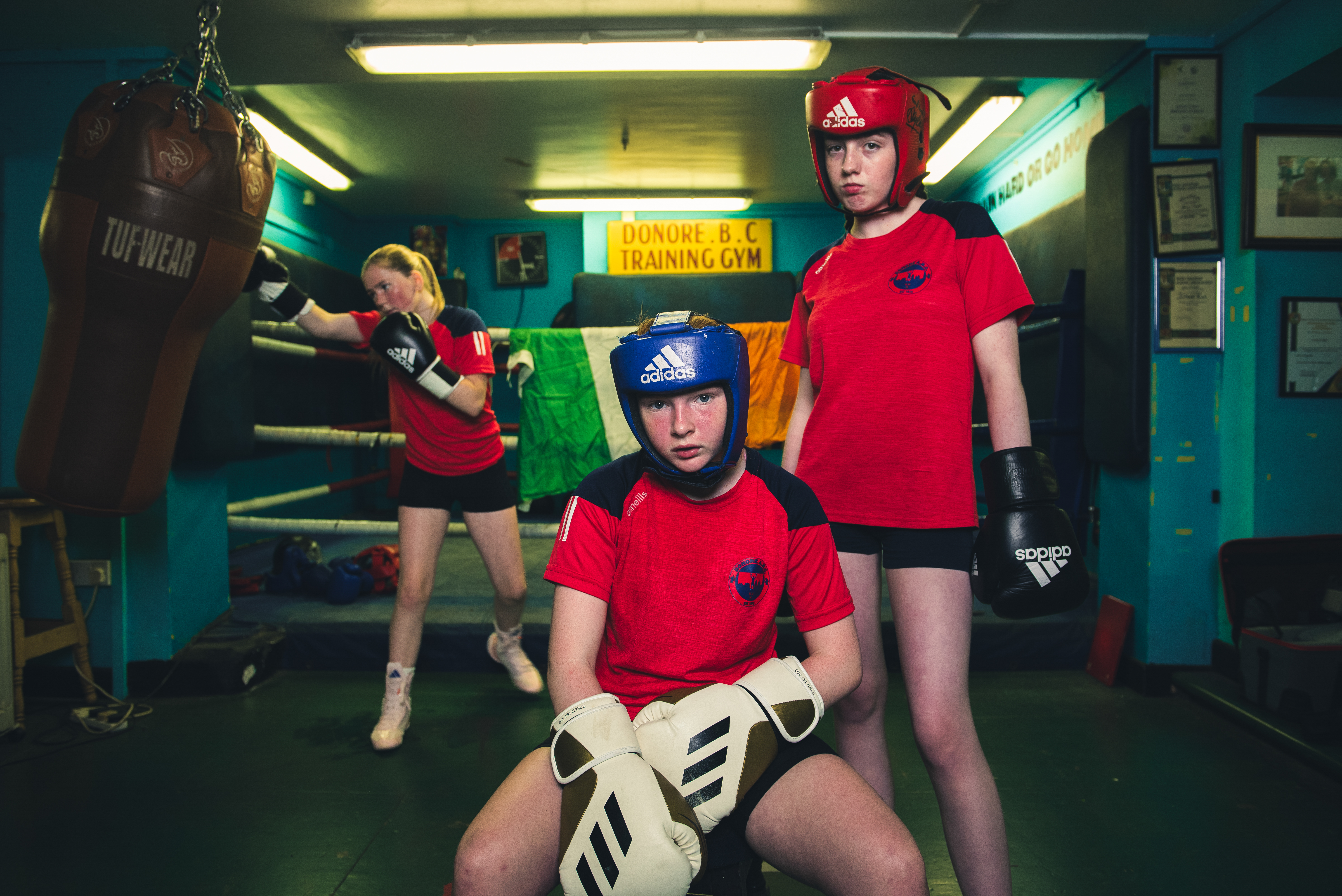
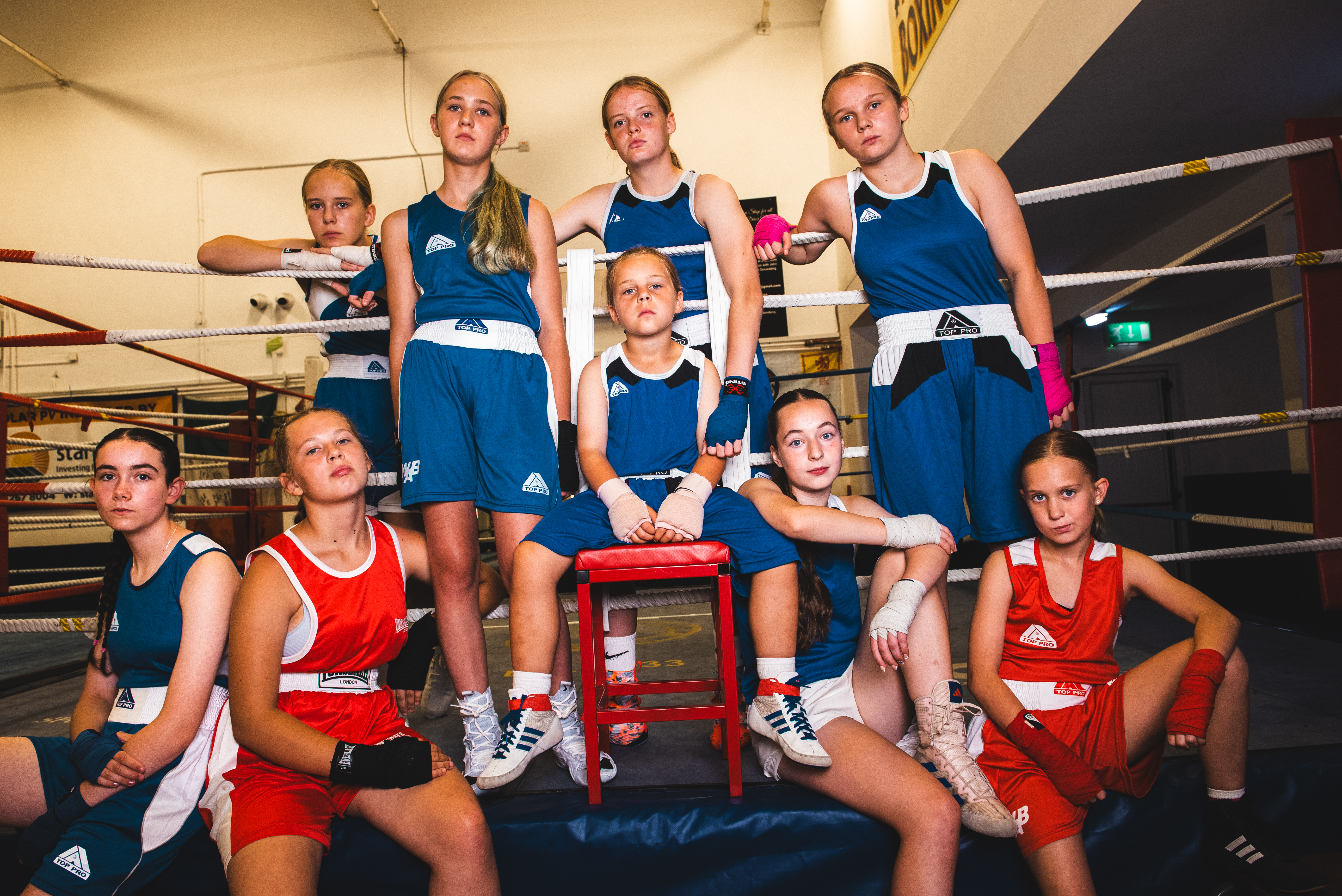
In the lead-up to Taylor's farewell, I traveled across Ireland and Northern Ireland to observe Katie's influence for myself — and as promised, I found gyms in every town filled with young women training alongside boys and men, chasing national titles, preparing for their first fights, or simply turning up each day because boxing runs deep through their family's history, as it does for many Irish families.
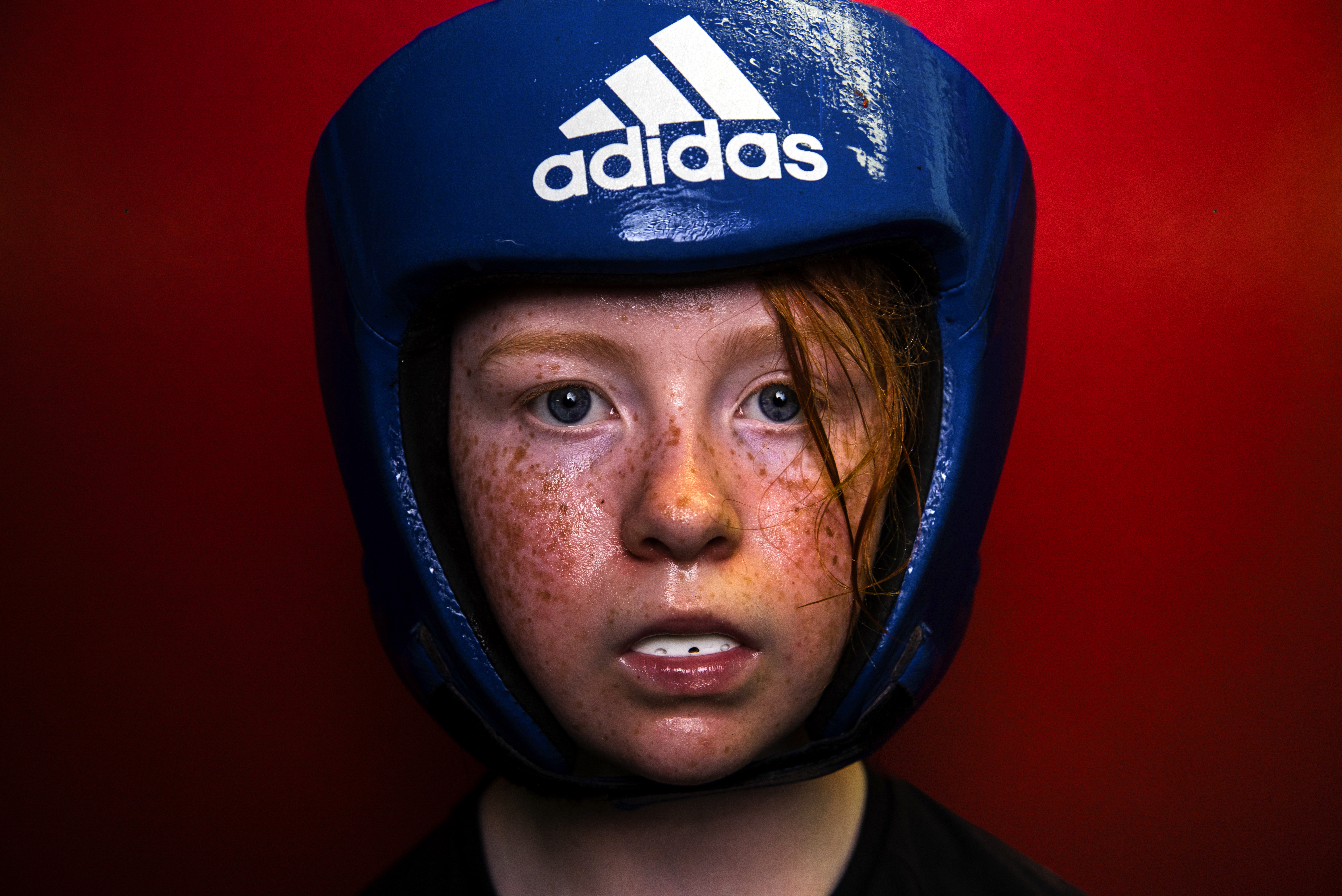
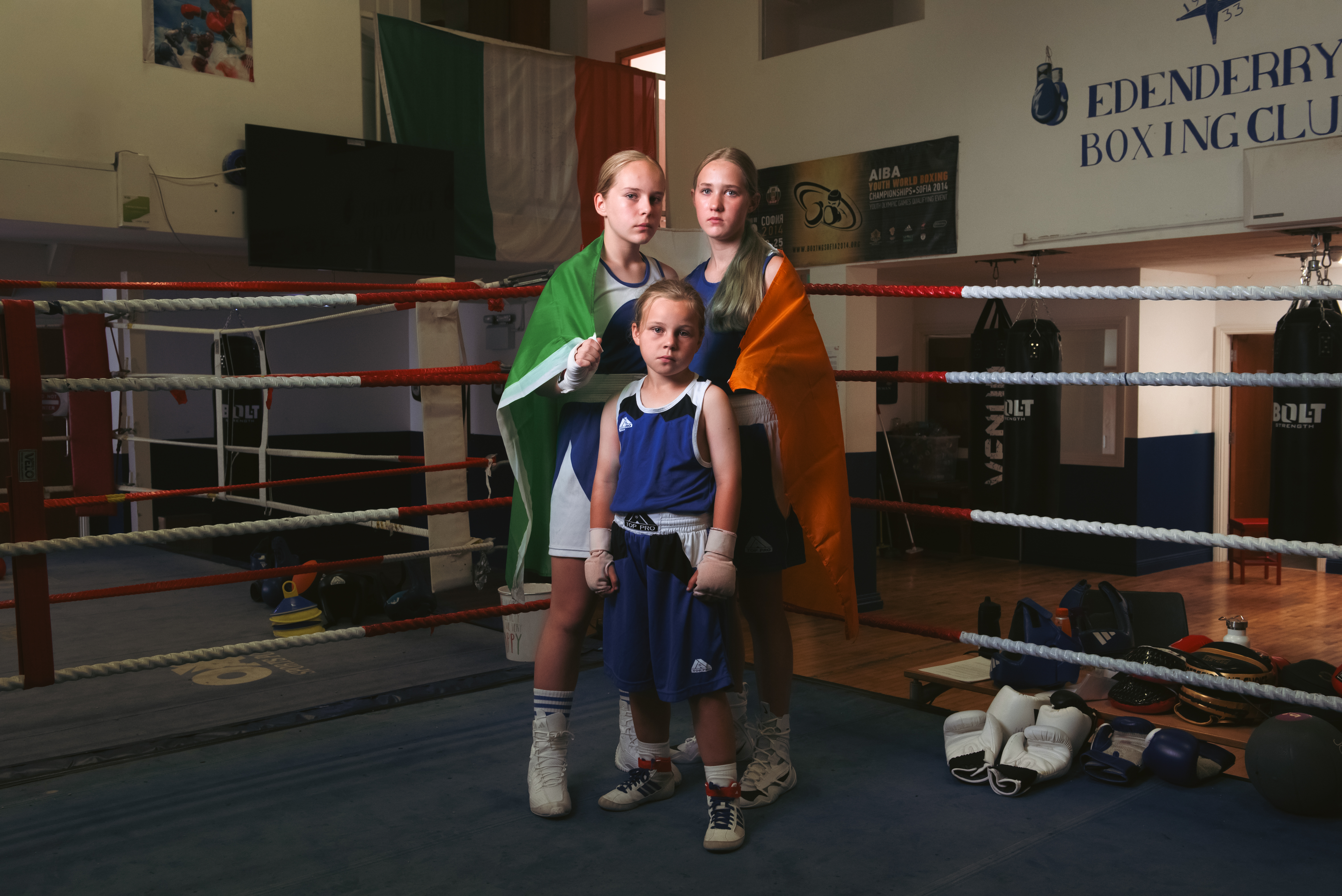
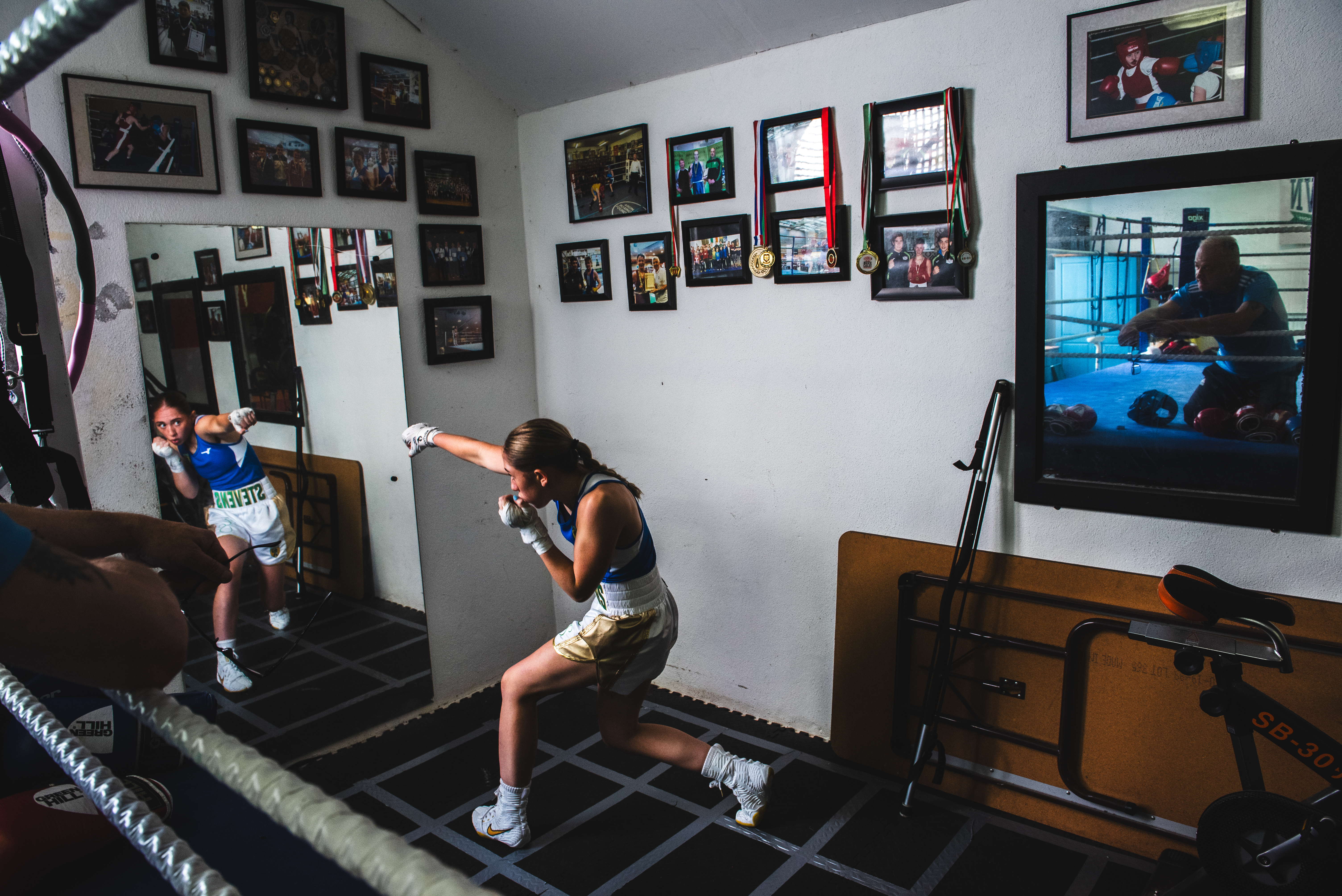
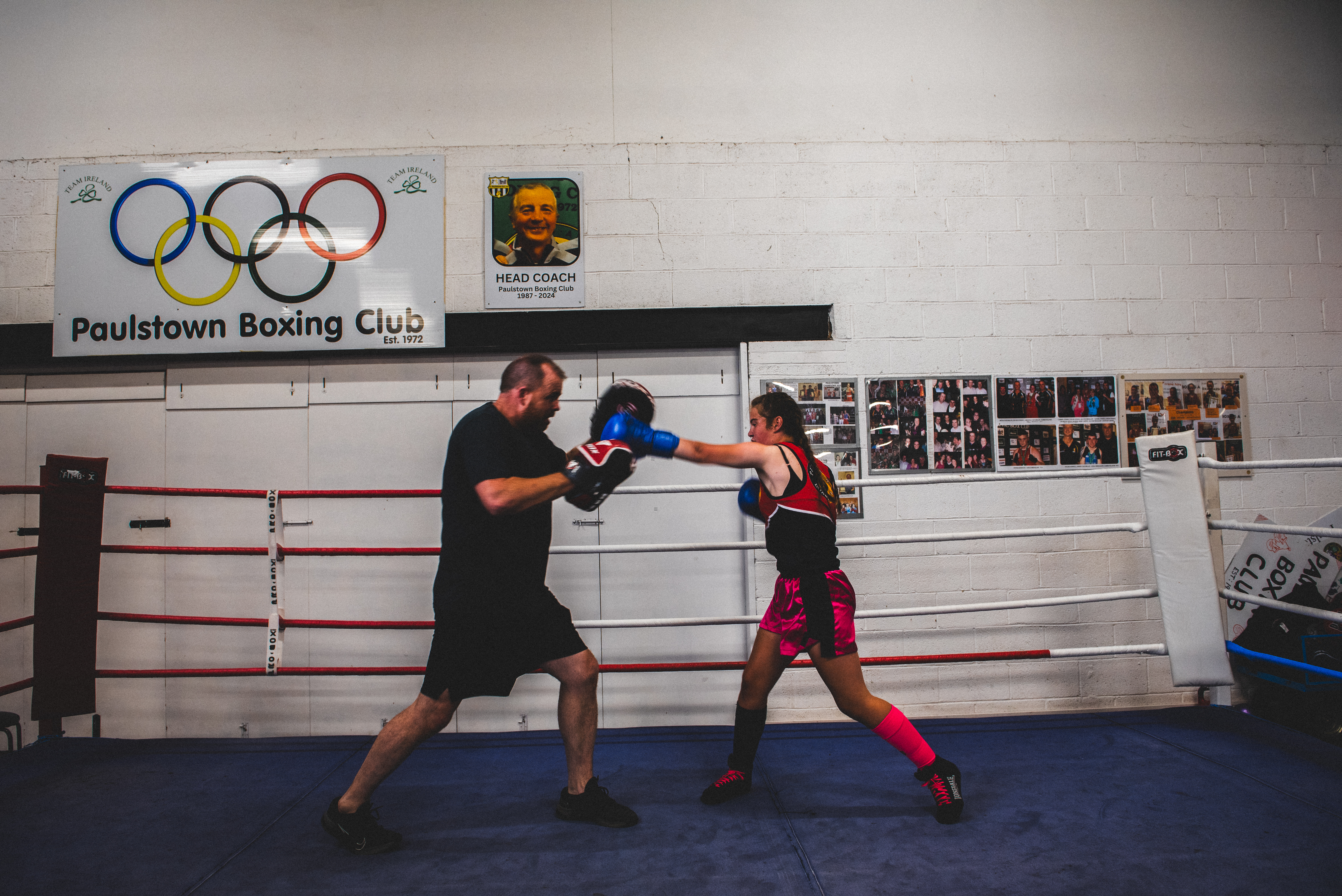
Some, barely 8 years old, wobbled around the gym in oversized headgear, still learning to keep their eyes open while throwing punches.
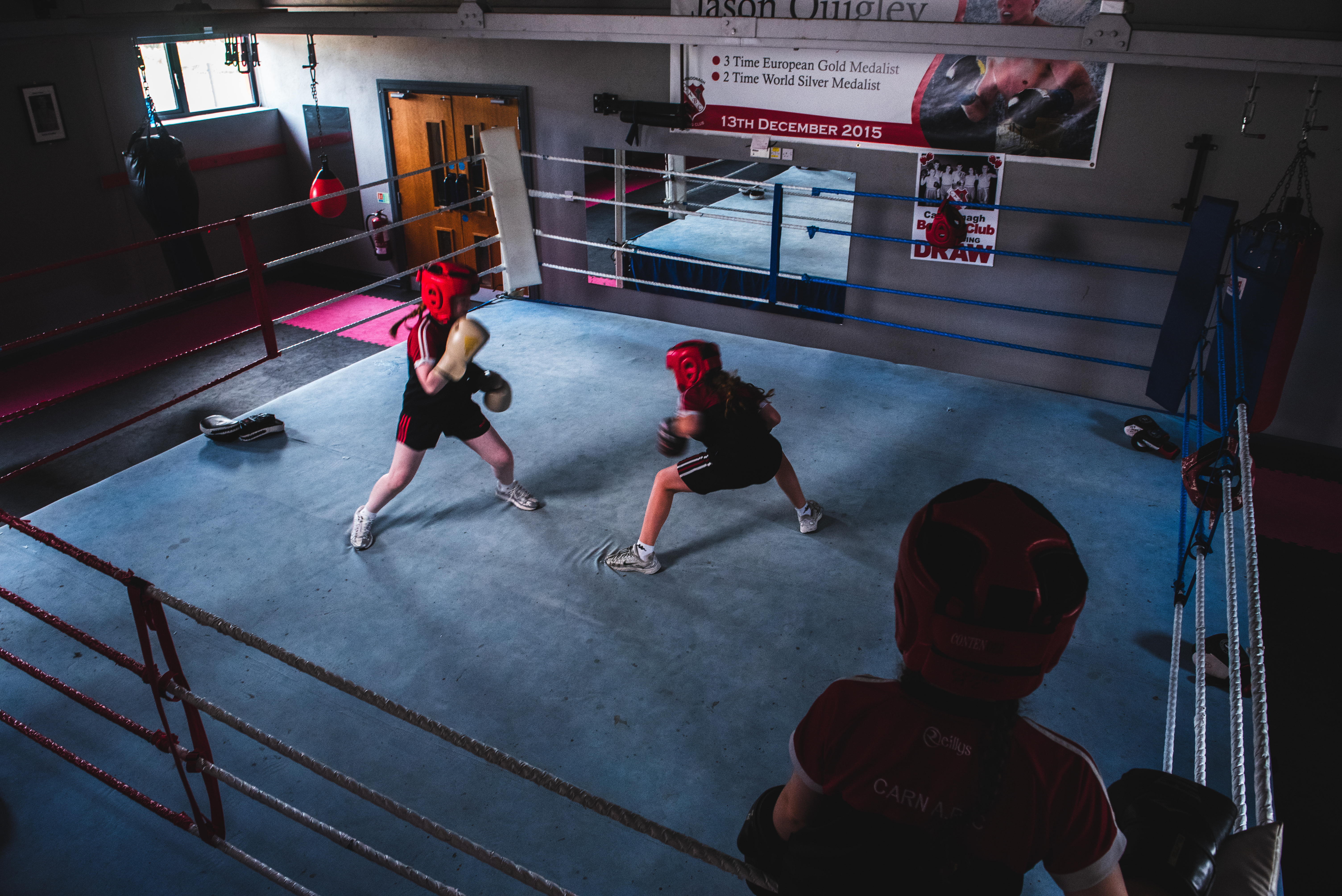
Others drifted effortlessly around the ring, snapping jabs back and forth, moving with all the ease and certainty of a teenage athlete coming into their own.
All of them were born after 2001, the year Taylor first stepped into the ring at the National Stadium in Dublin, for the first sanctioned women's boxing match in Ireland's history.
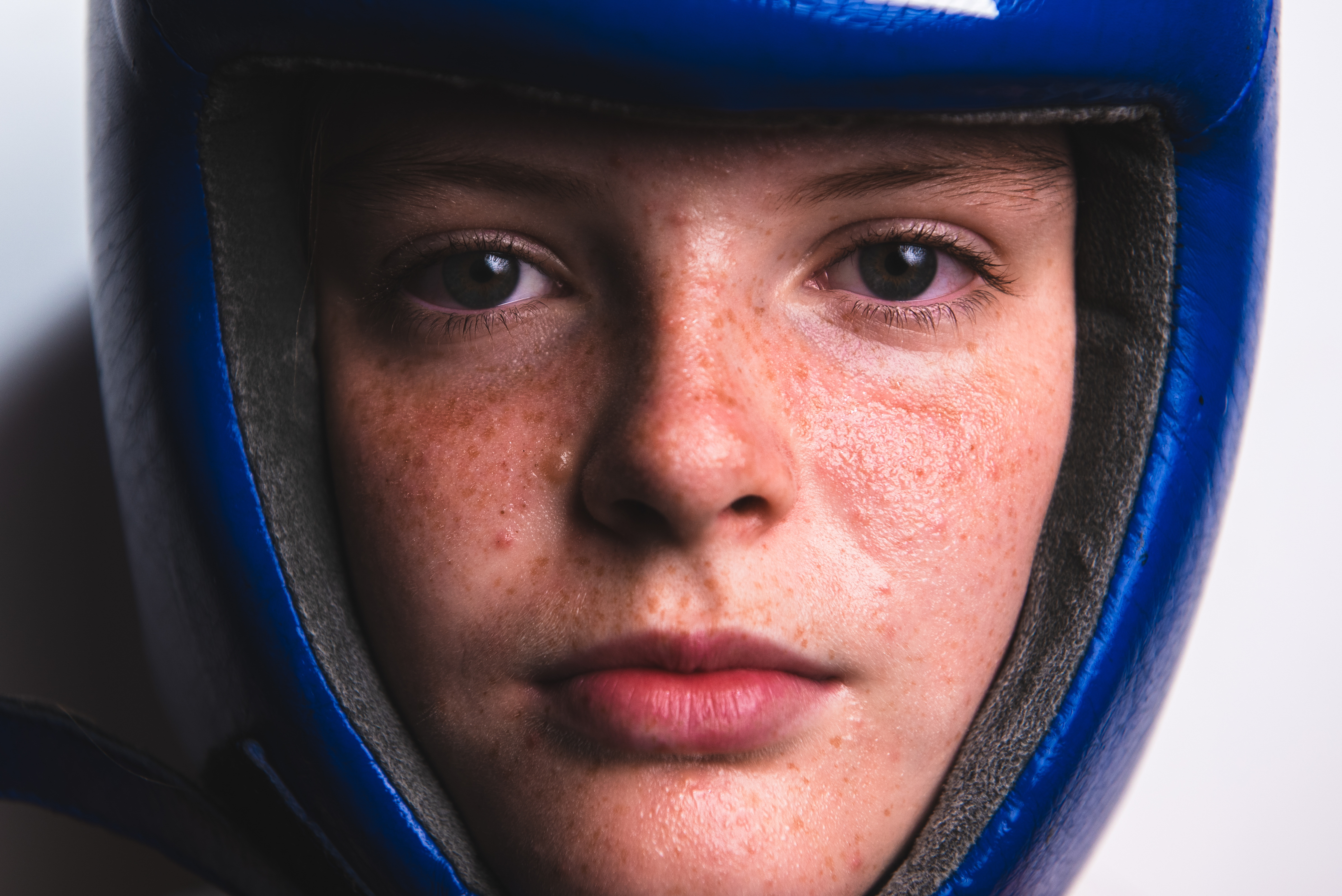
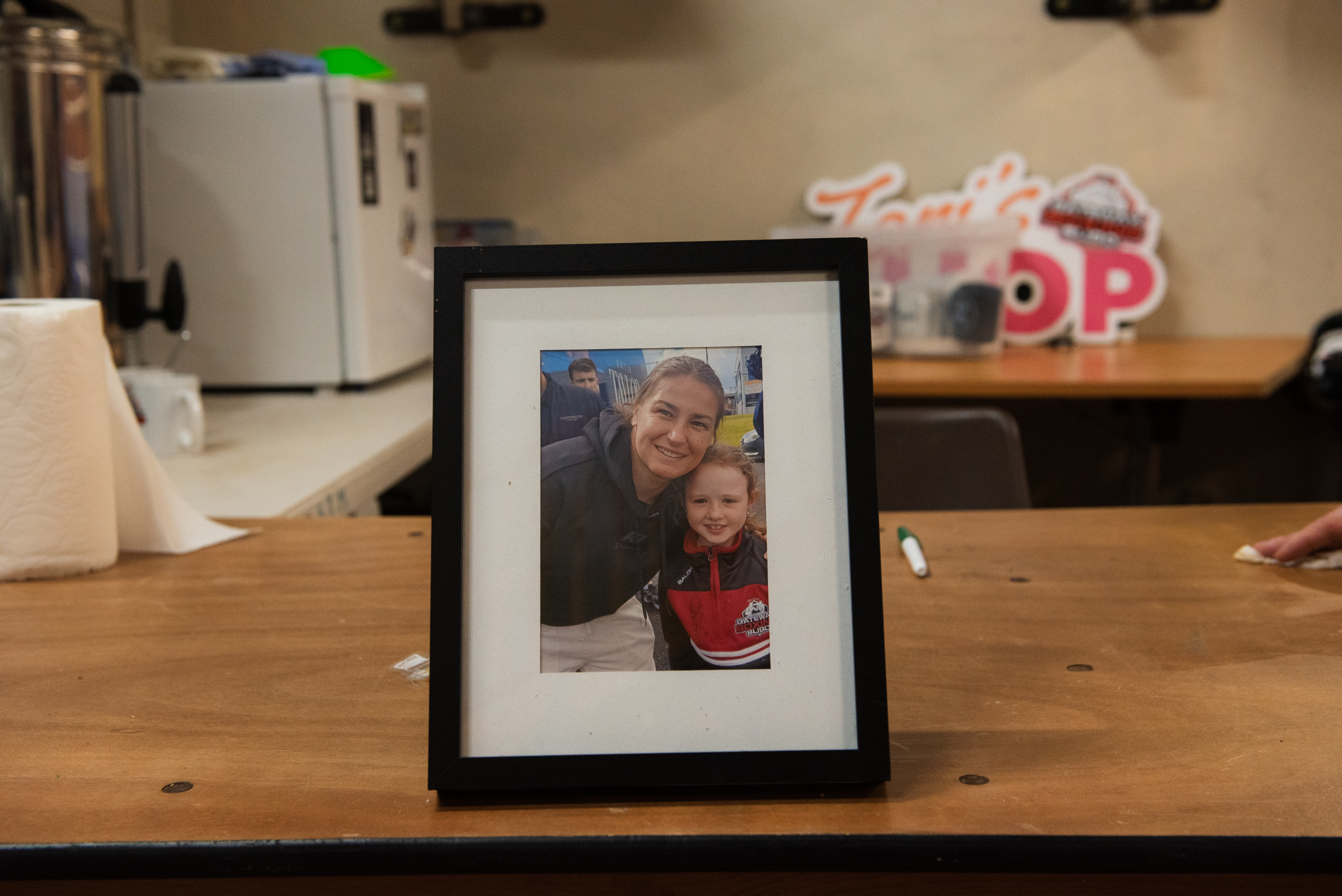
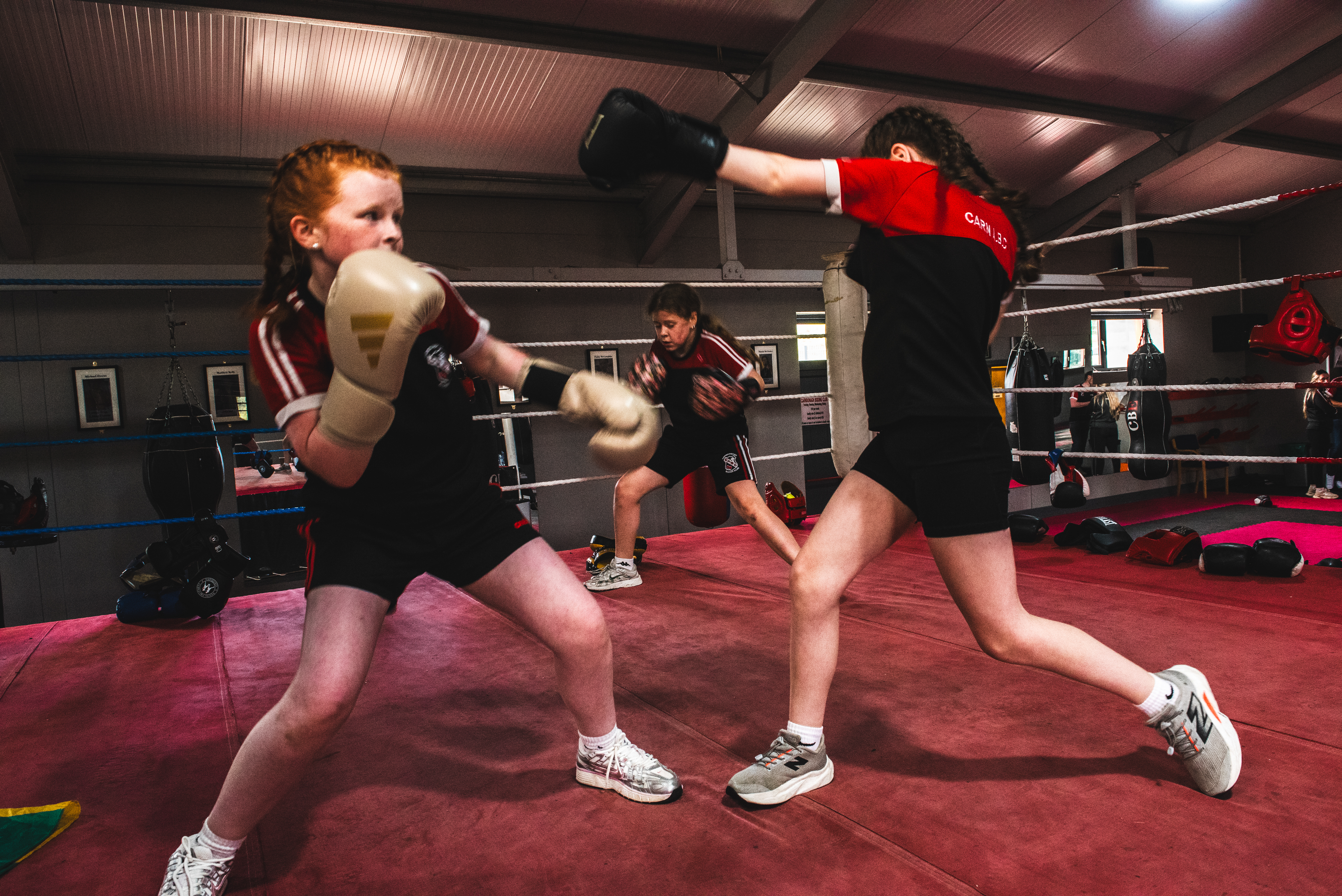
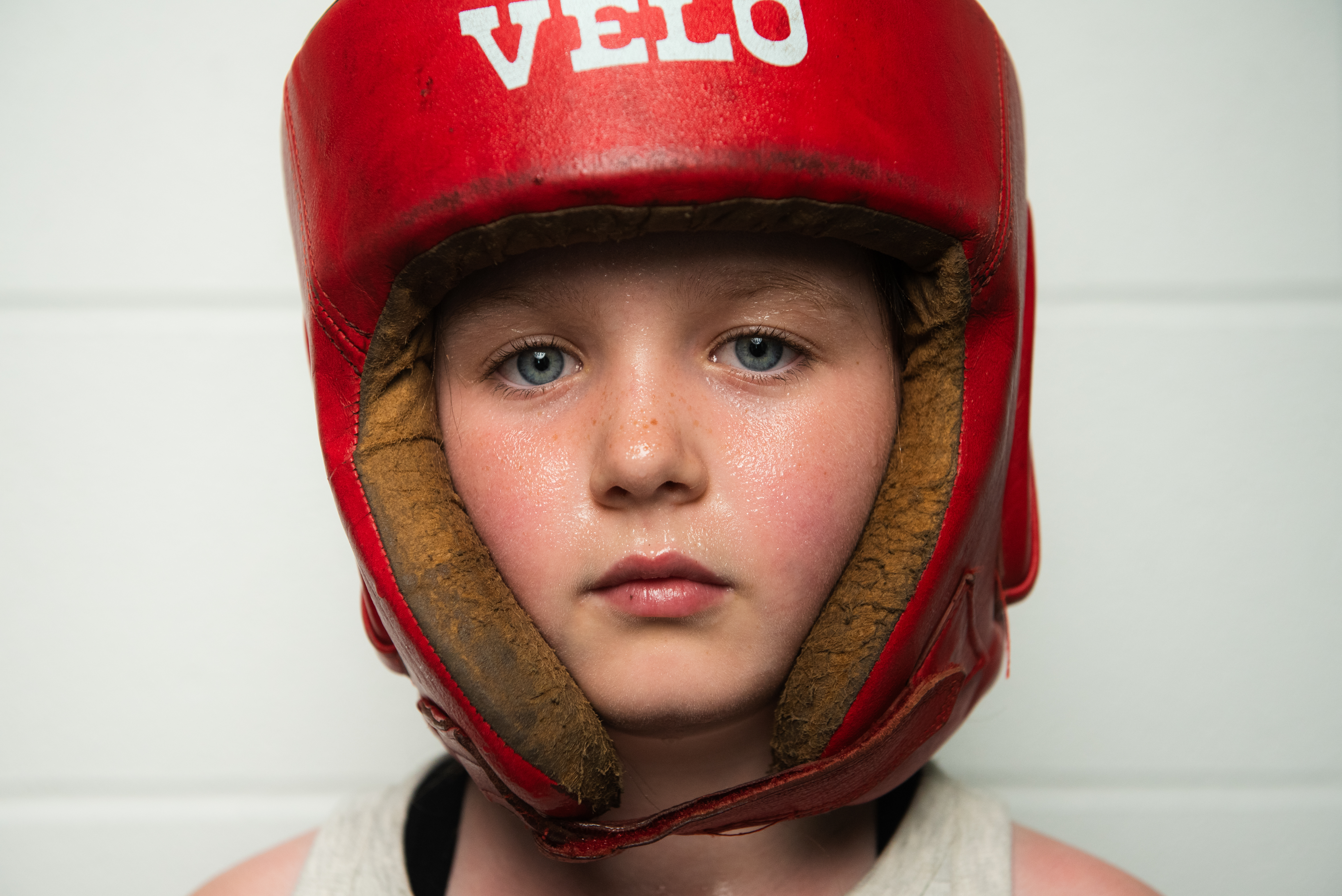
This Saturday, 25 years after that first fight, Taylor will enter the ring for the last time, just a few kilometers away at the iconic Croke Park in Dublin, leaving behind a vastly different landscape than the one she inherited.
Taylor famously battled for years to convince the International Olympic Committee that women's boxing was compelling enough to be included in the Olympics. On Saturday, 80,000 people will turn up to watch her fight in Dublin.
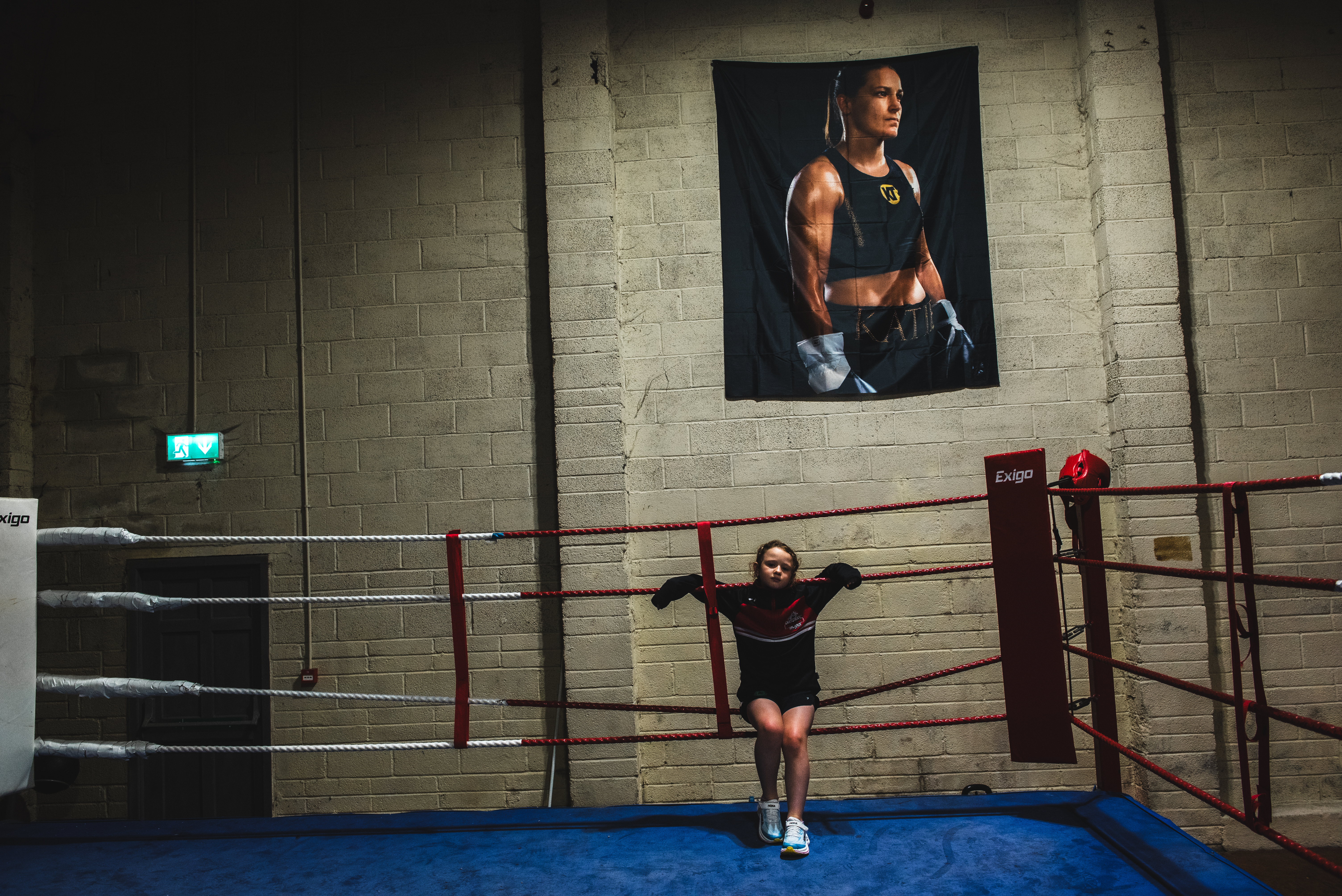
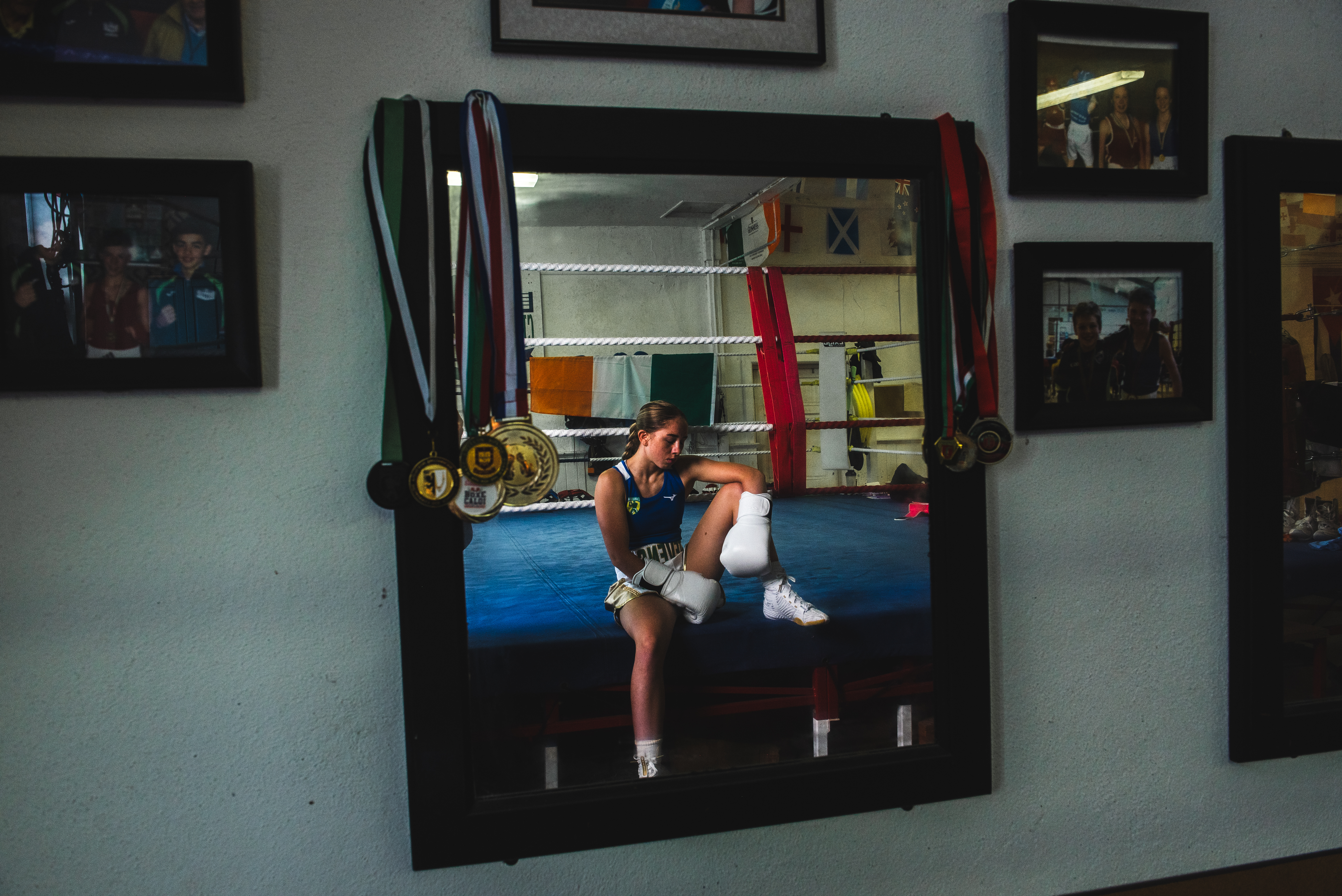
Among them are some of the young boxers photographed here. Keely Stevens from rural Charlestown was just 4 years old when Taylor won Olympic gold in 2012, and she has been grinding away on her own amateur journey ever since. Now 18, she'll be watching this Saturday with five national championships of her own under her belt.
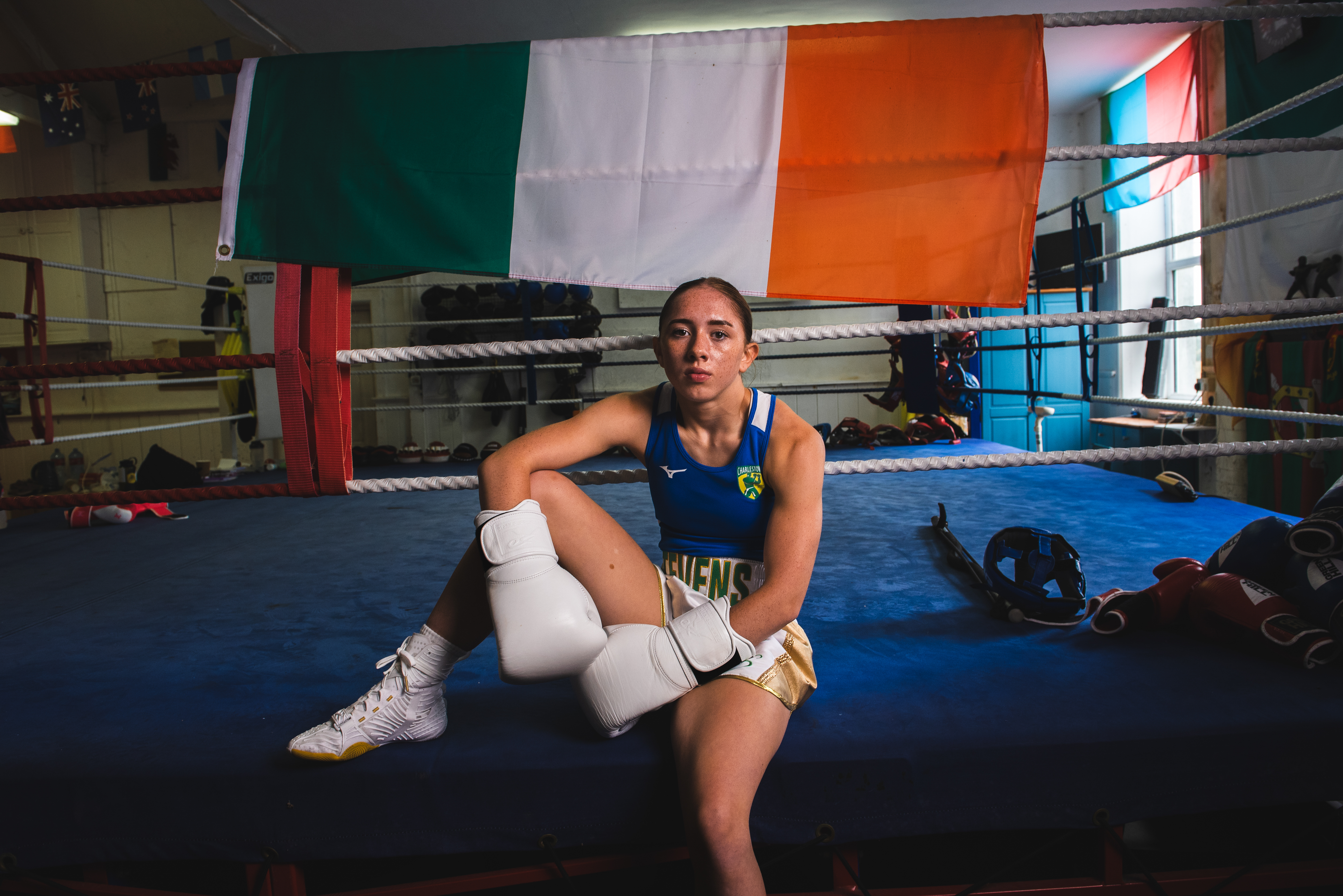
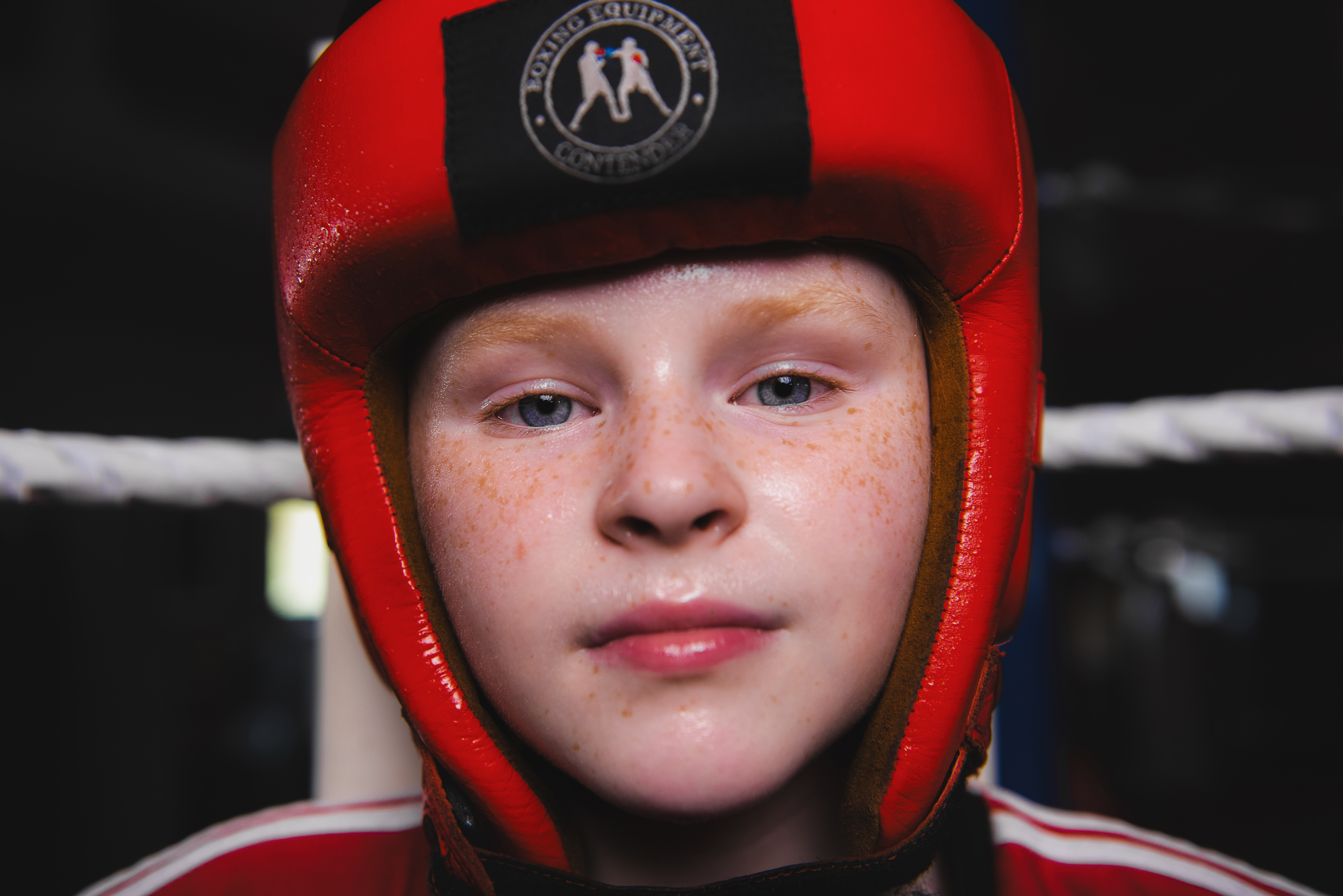
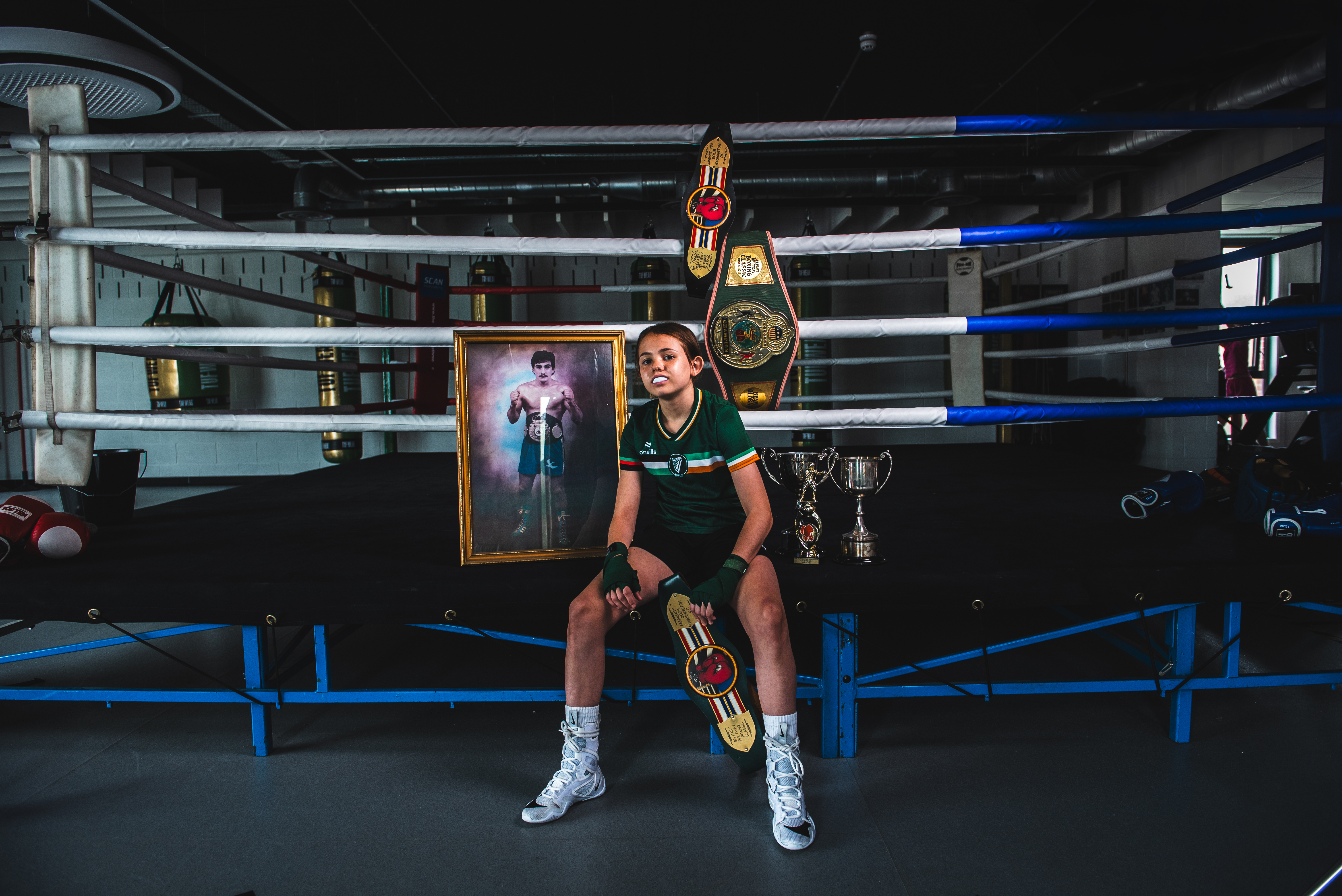
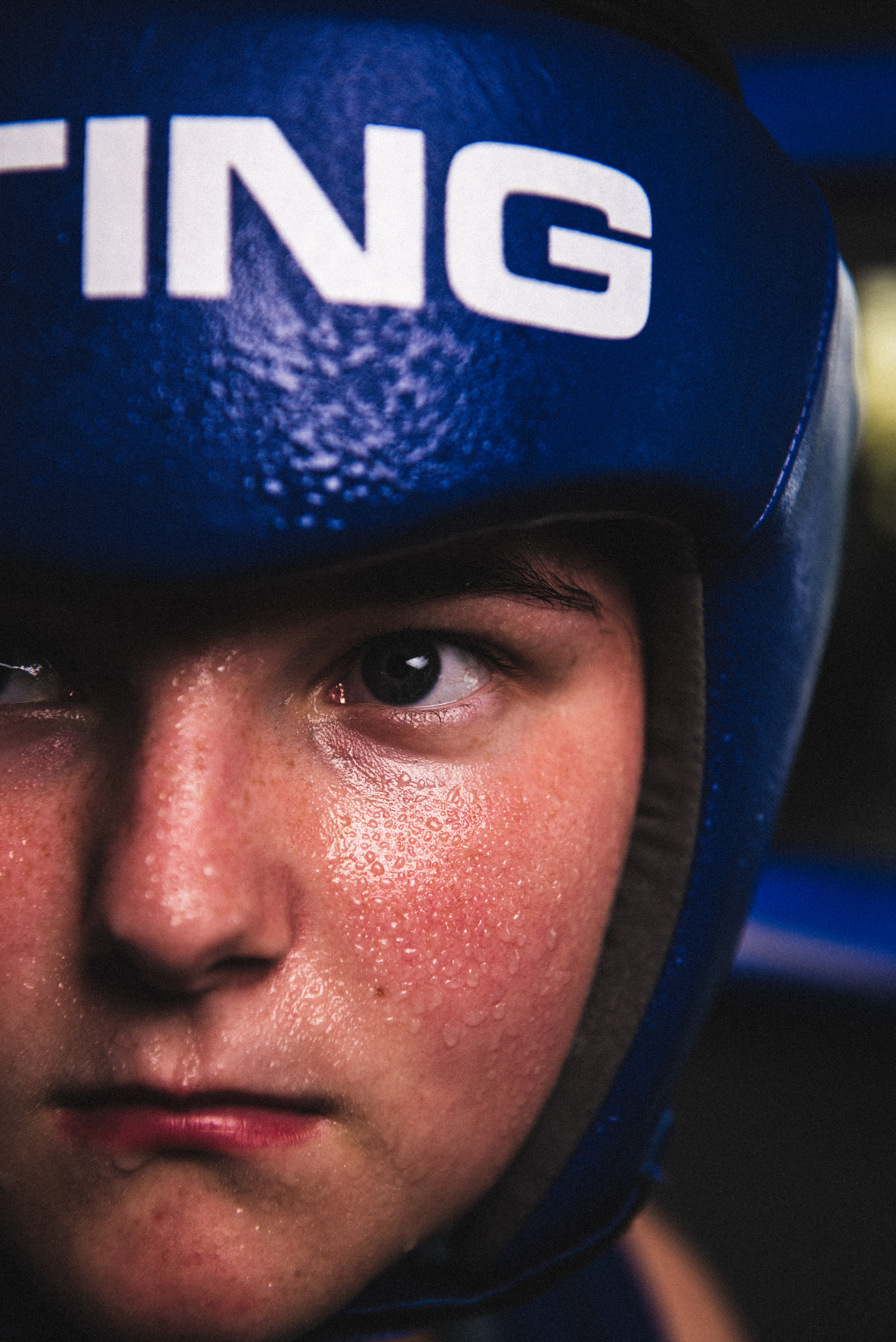
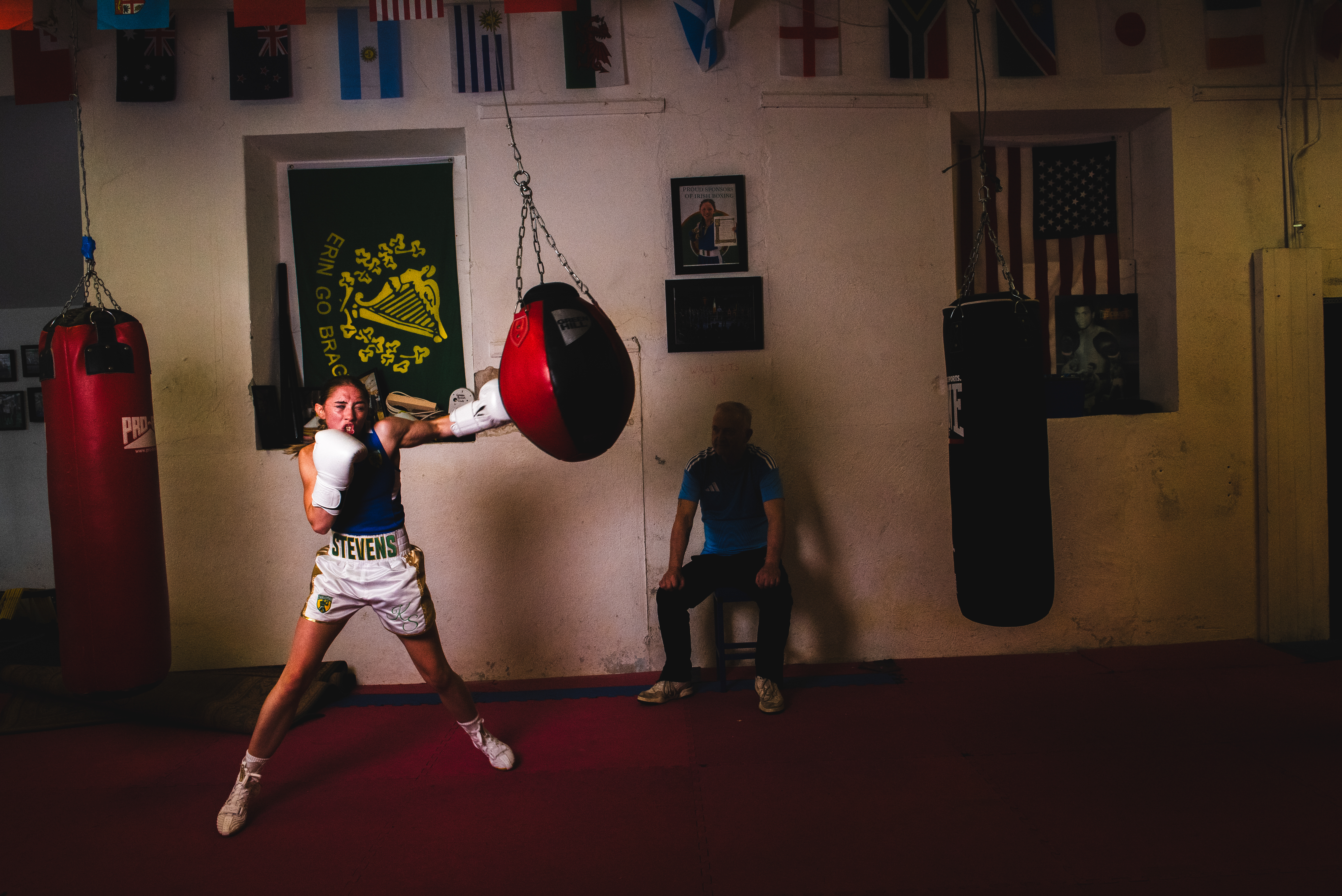
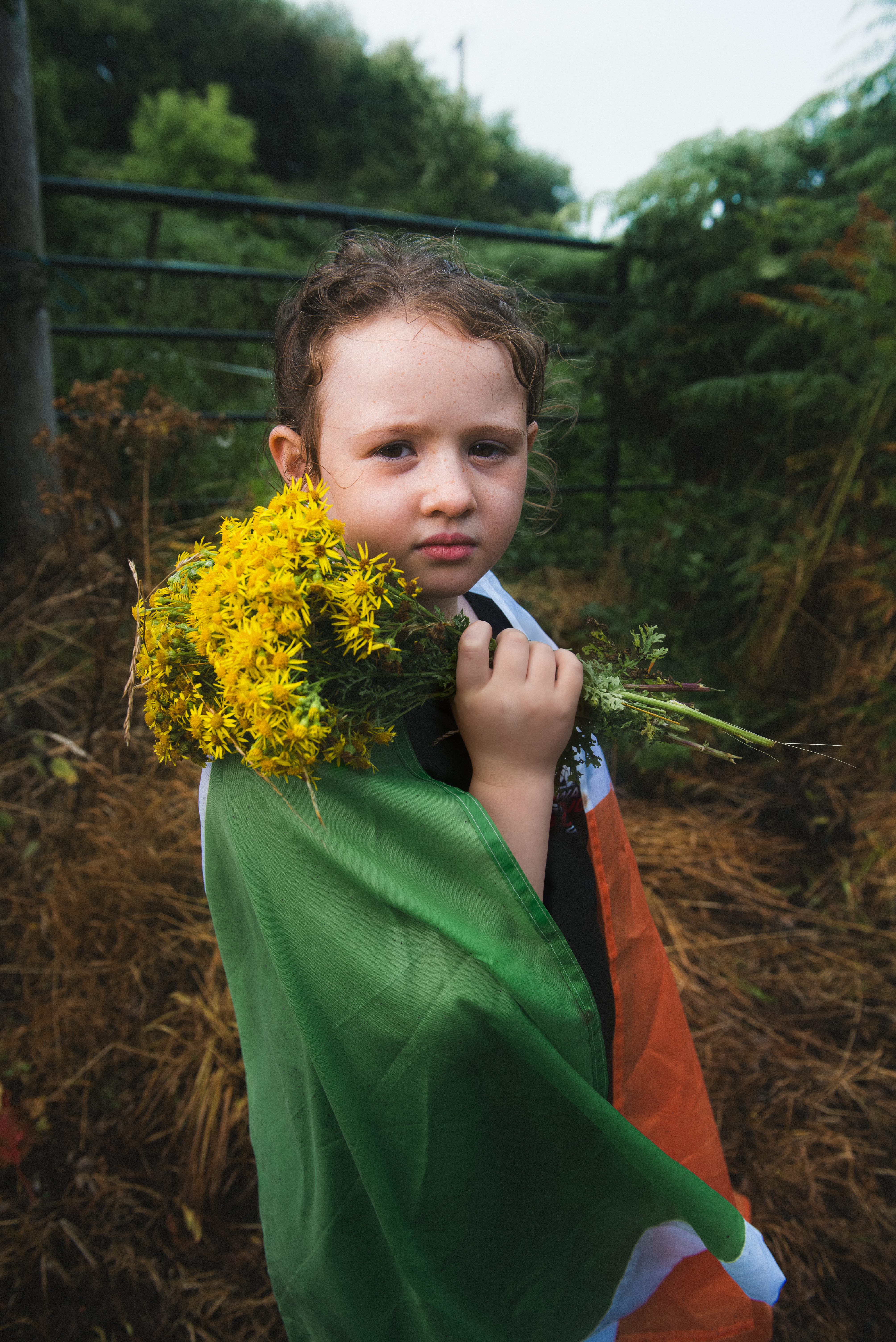
Others are only beginning to discover what boxing might mean to them, having grown up in a world where Taylor was already fast becoming a national icon — and where the possibility of women in boxing could start to be taken for granted.
This is perhaps Taylor's greatest gift to the sport.
For years now, female inclusion in Irish boxing has not been a question, or a novelty, but rather a mark of pride for a people whose relationship with its fighters was already deep and storied.
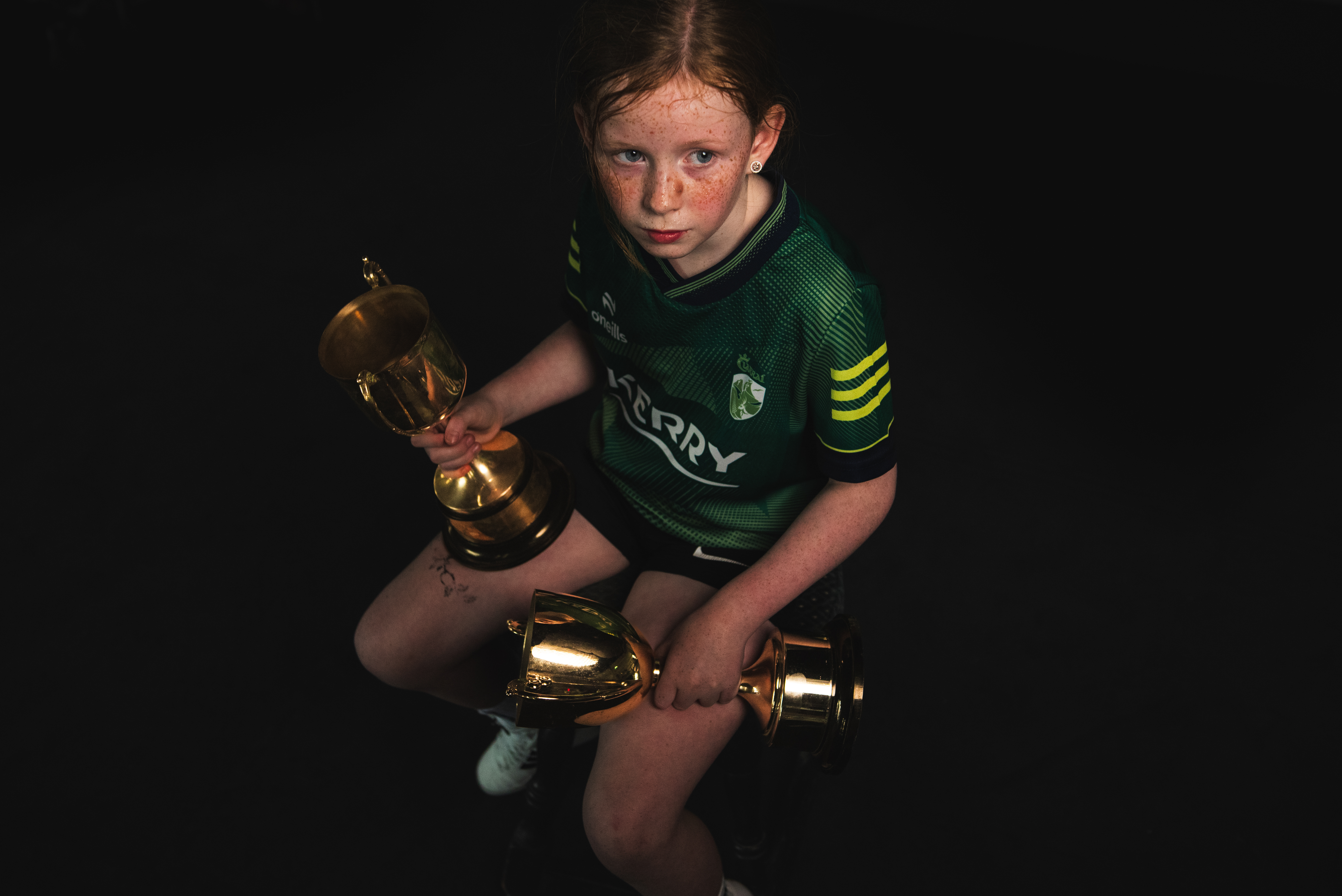
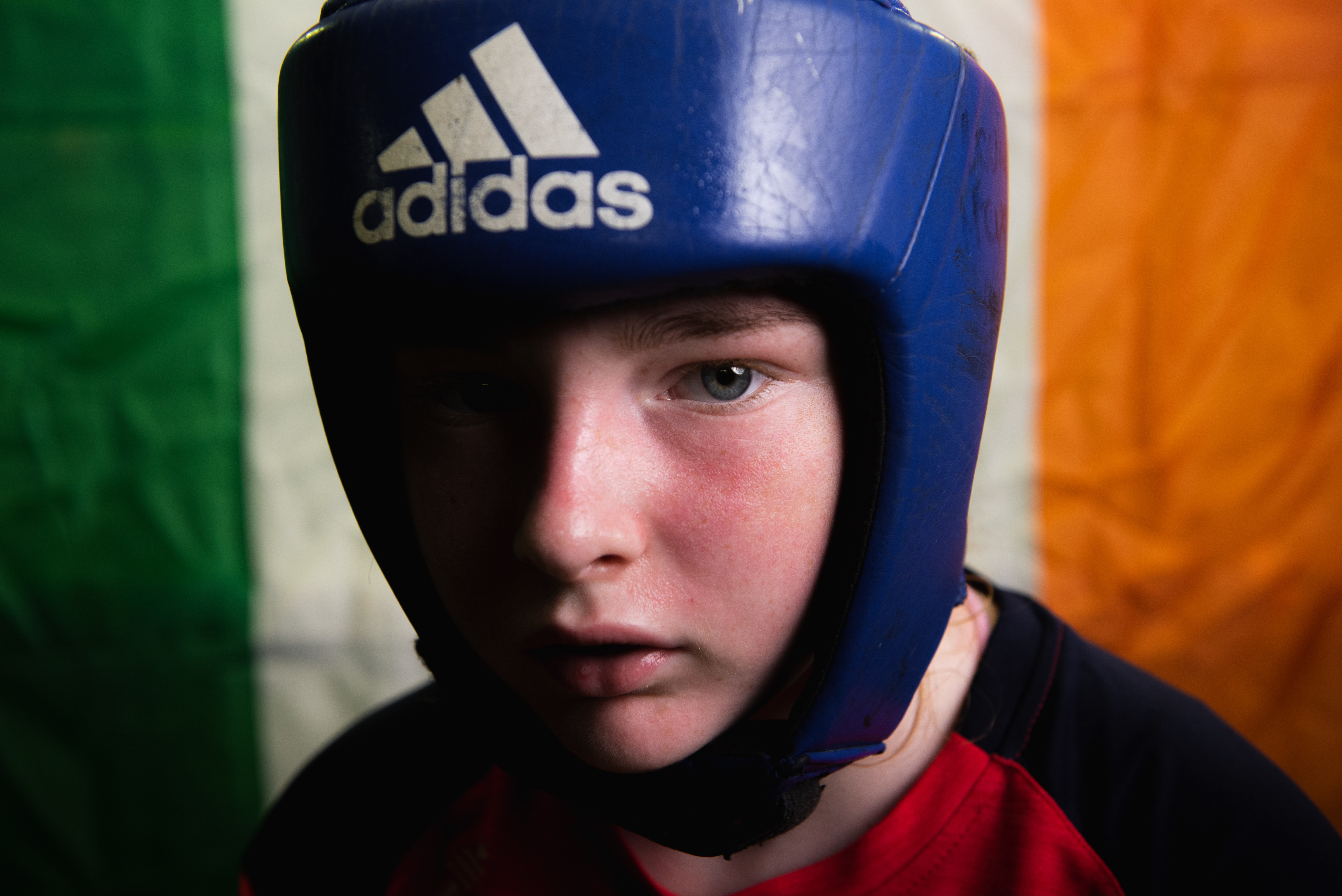
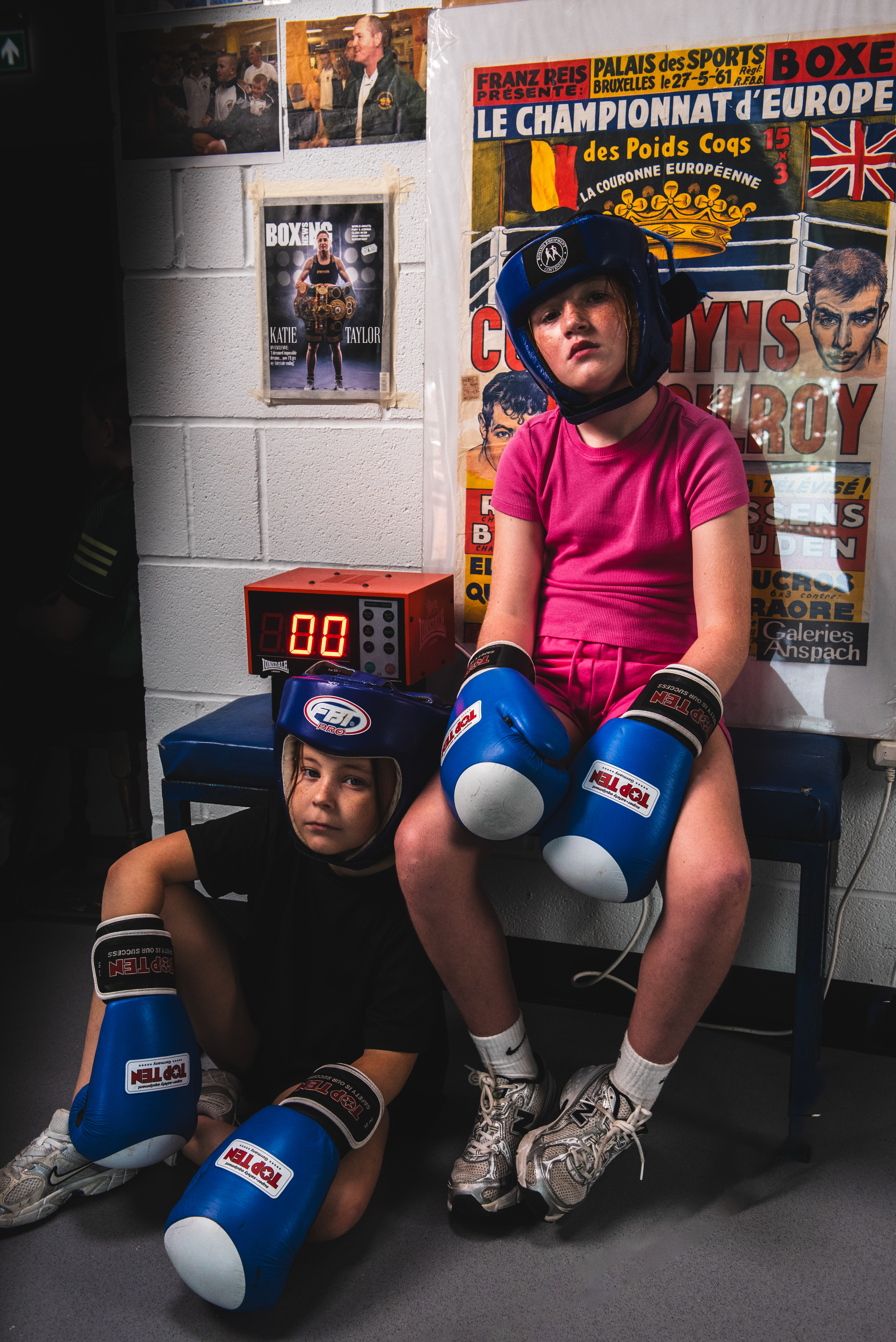
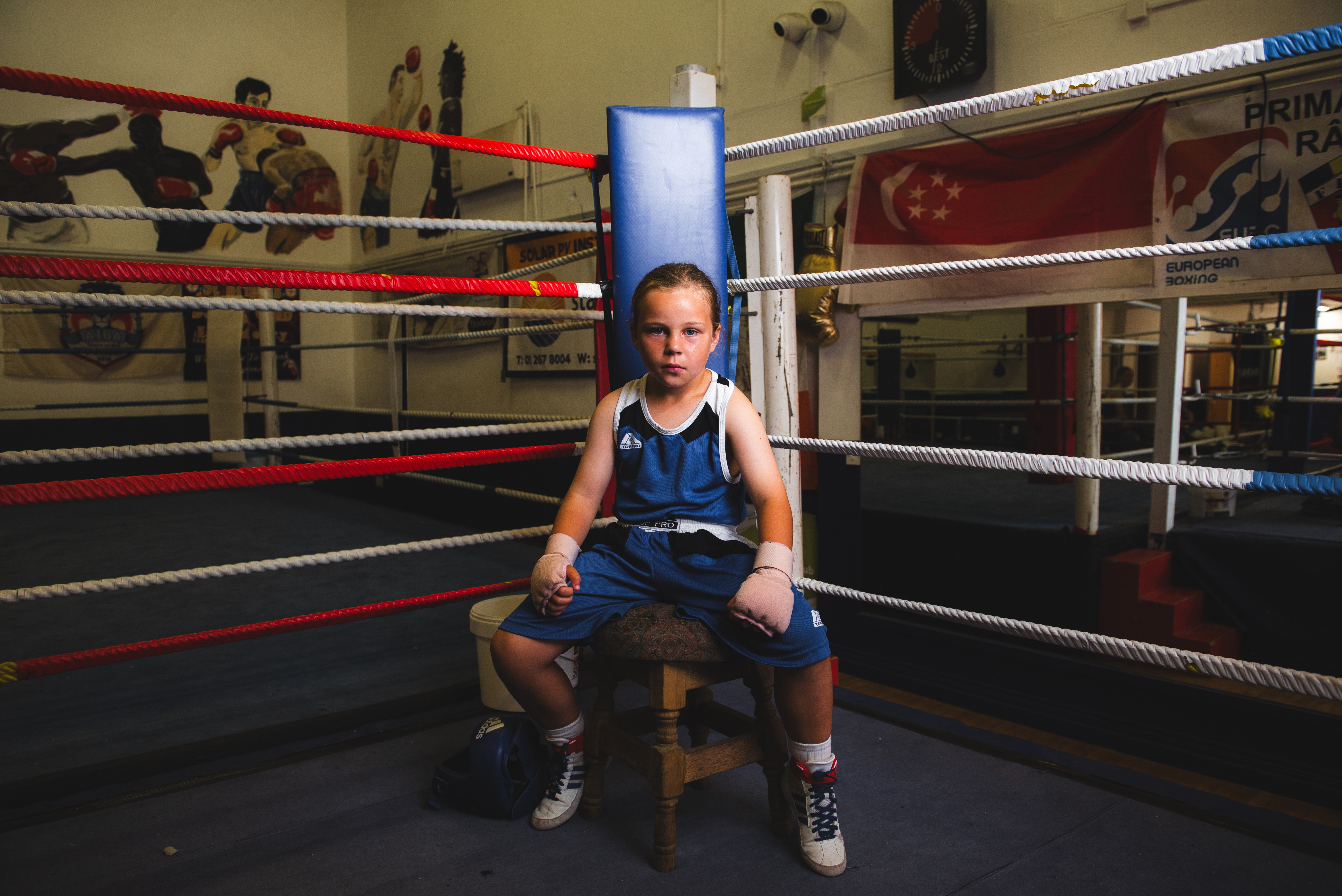
Some gyms have even shifted their focus to primarily developing young women’s fighters. St. Brigid's Boxing Club in Edenderry runs annual all-girls camps that attract hundreds of young boxers each year from more than 25 countries.
Here, and in clubs all across the island, the weight of Katie's presence is palpable.
Her face appears on walls and in old photo frames; her likeness sits alongside trophies and medals accumulated by the generations that have followed her.
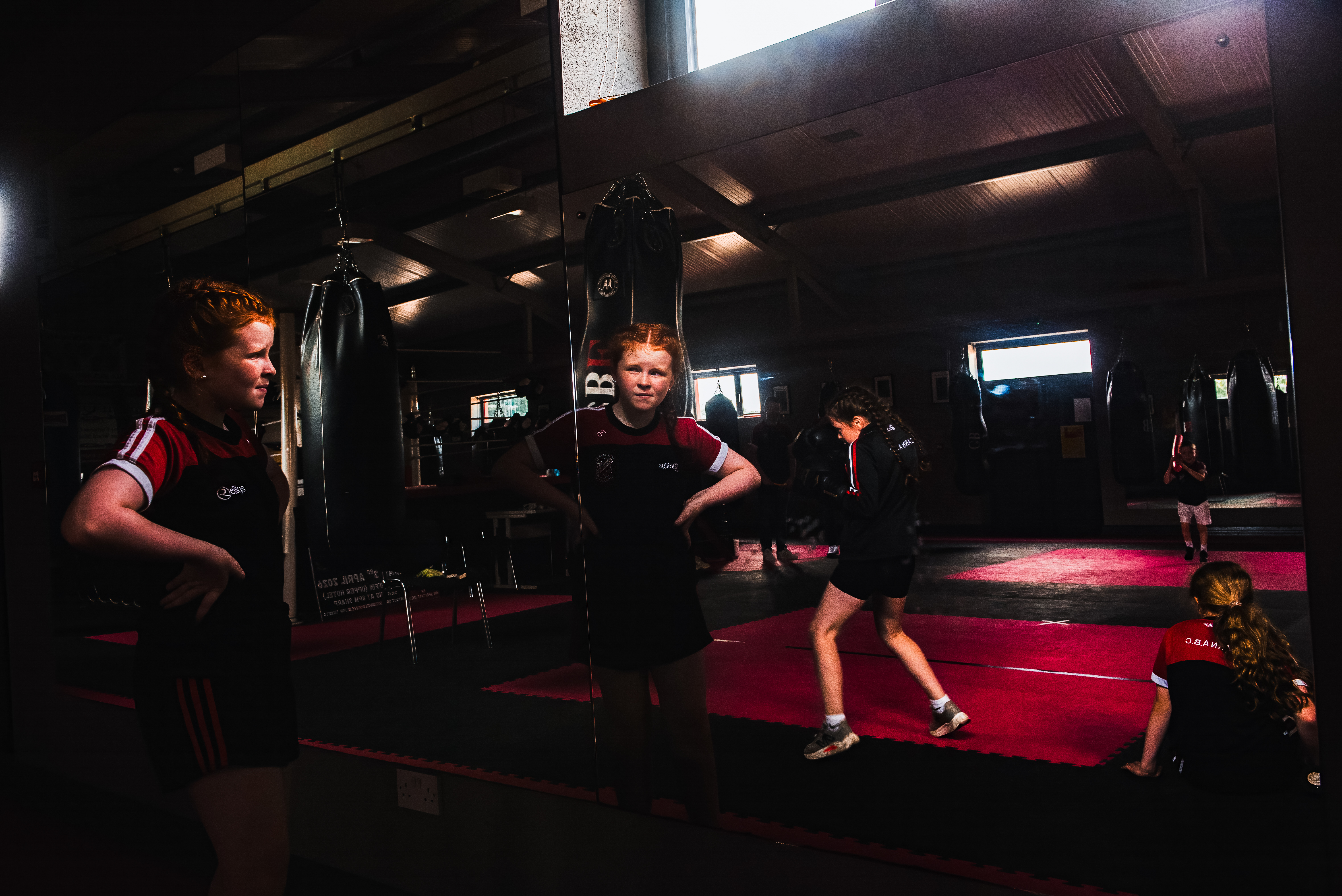
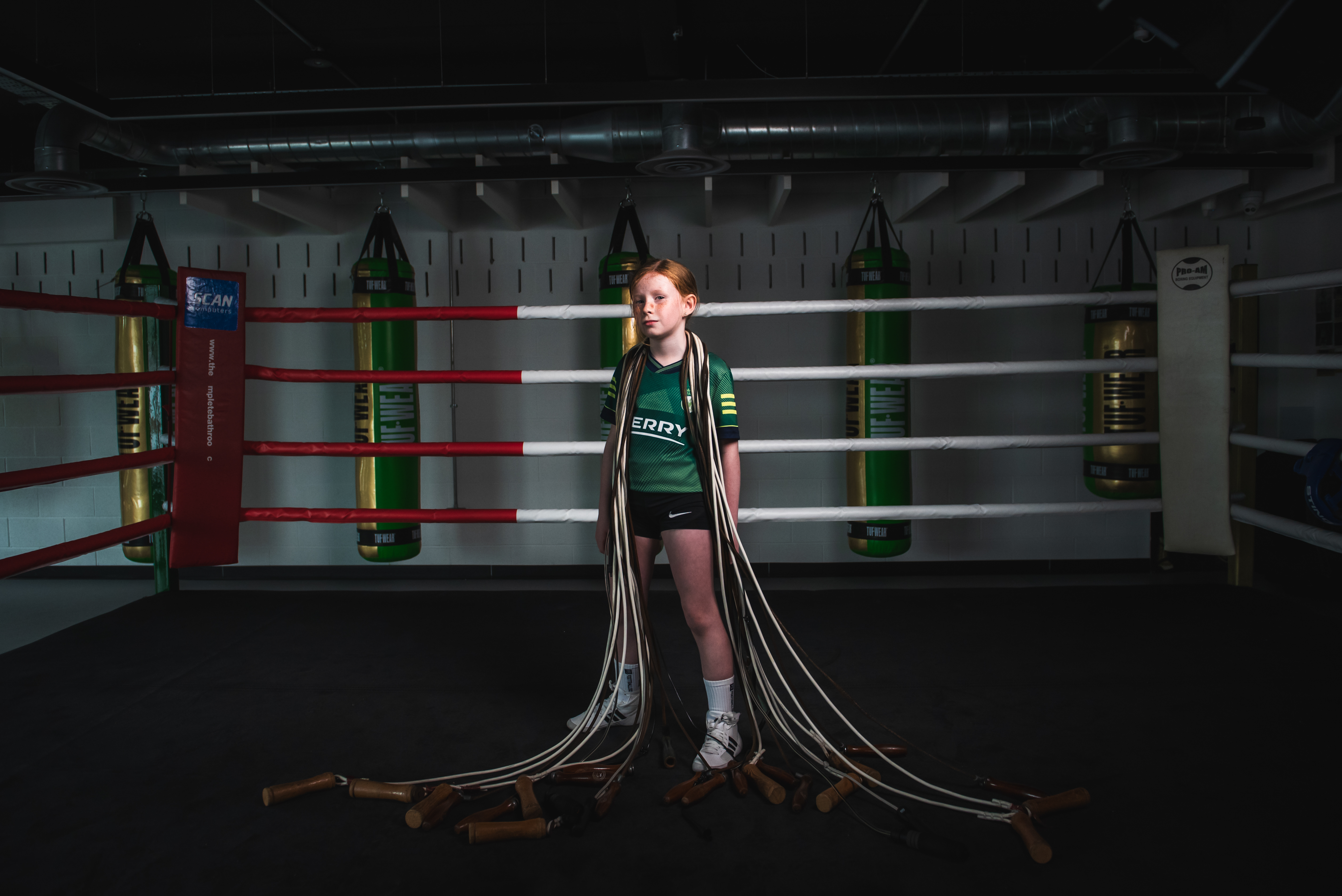
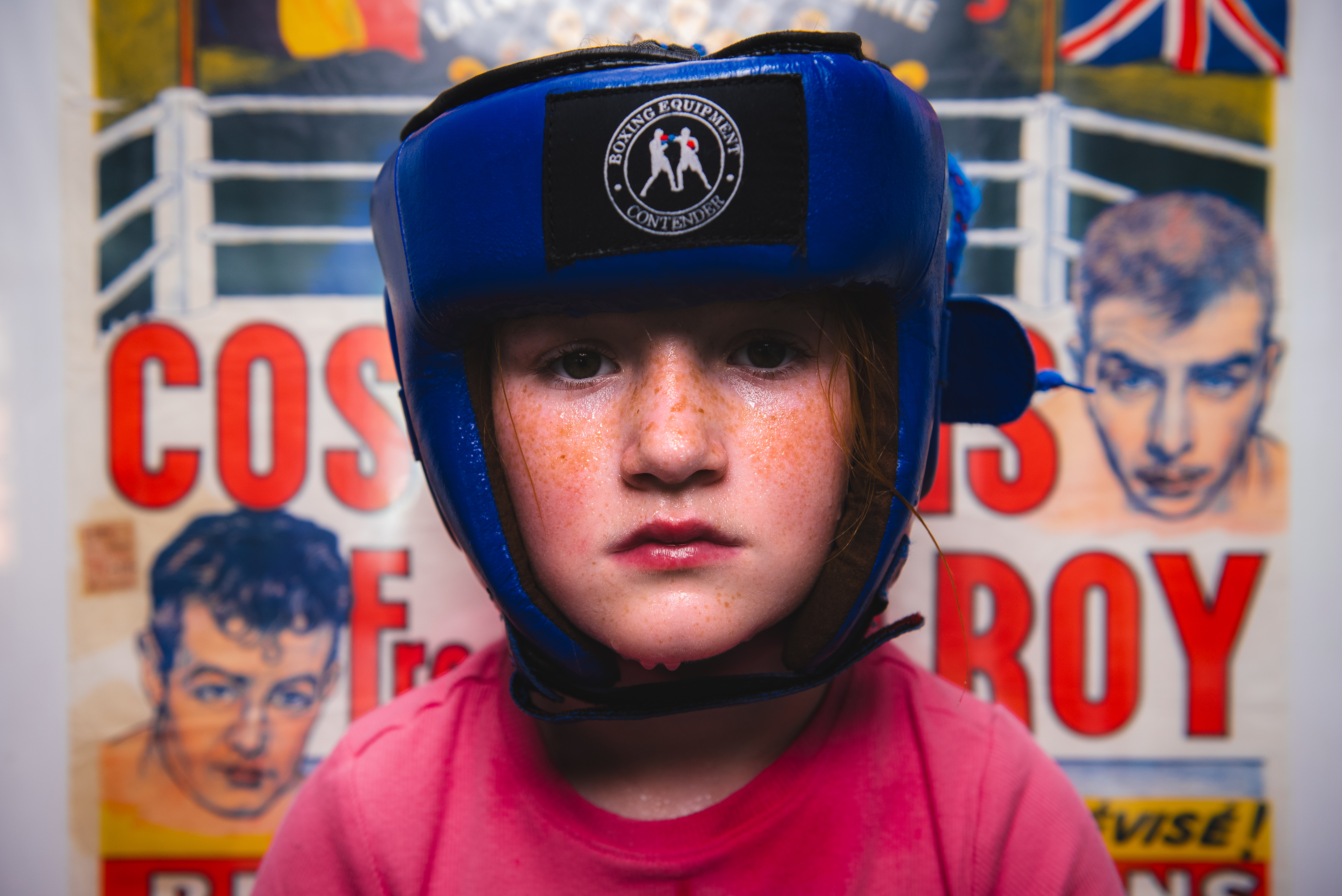
As we take stock of Taylor's career in its final days, we'll be right to weigh her legacy in titles, Olympic medals, ticket sales. But its most powerful measure might be simpler.
Countless girls now stand in gyms who never had to question whether they belonged there.
From them will emerge the next Katie Taylor — and thousands of others will strive, in big ways and small, to find meaning in boxing.