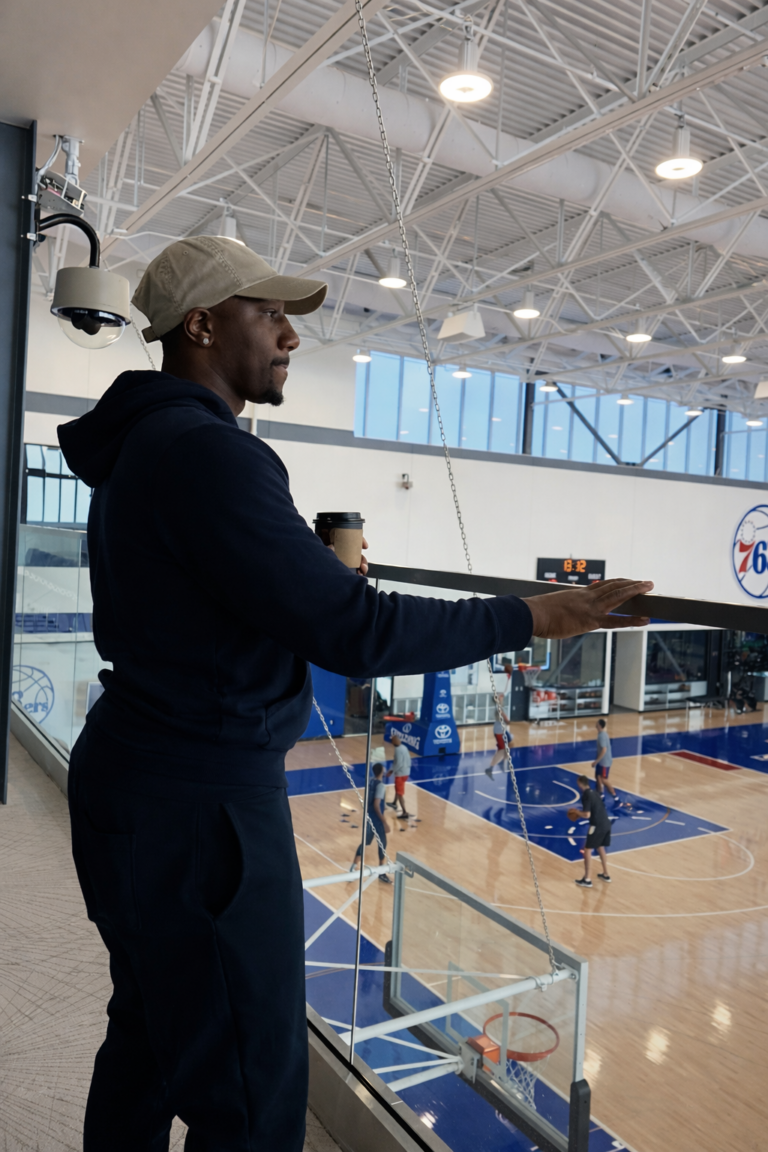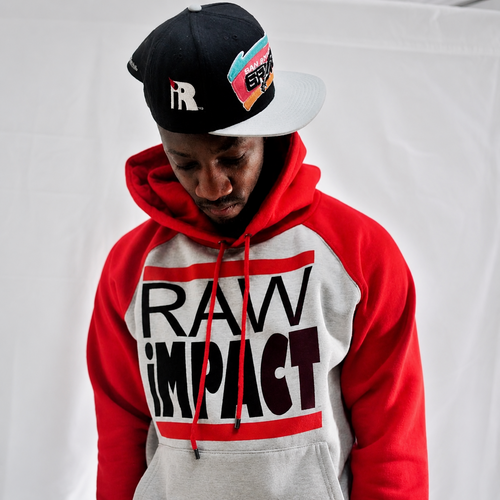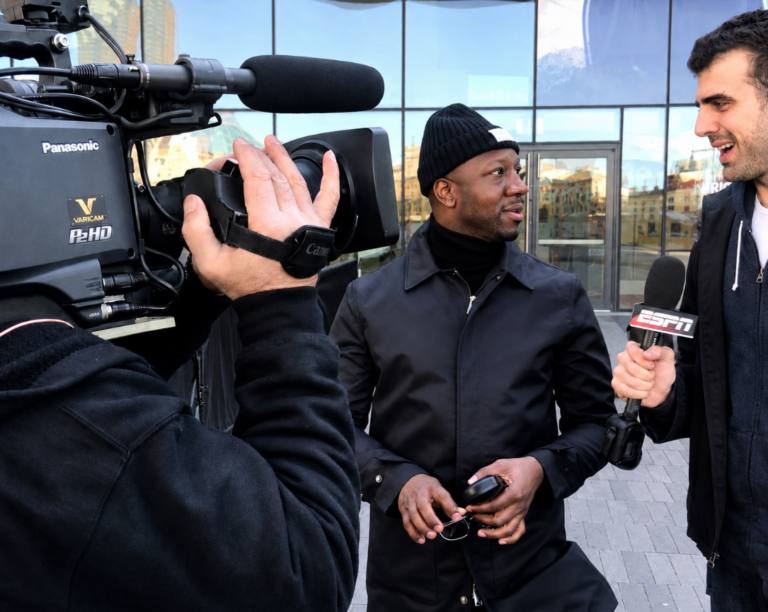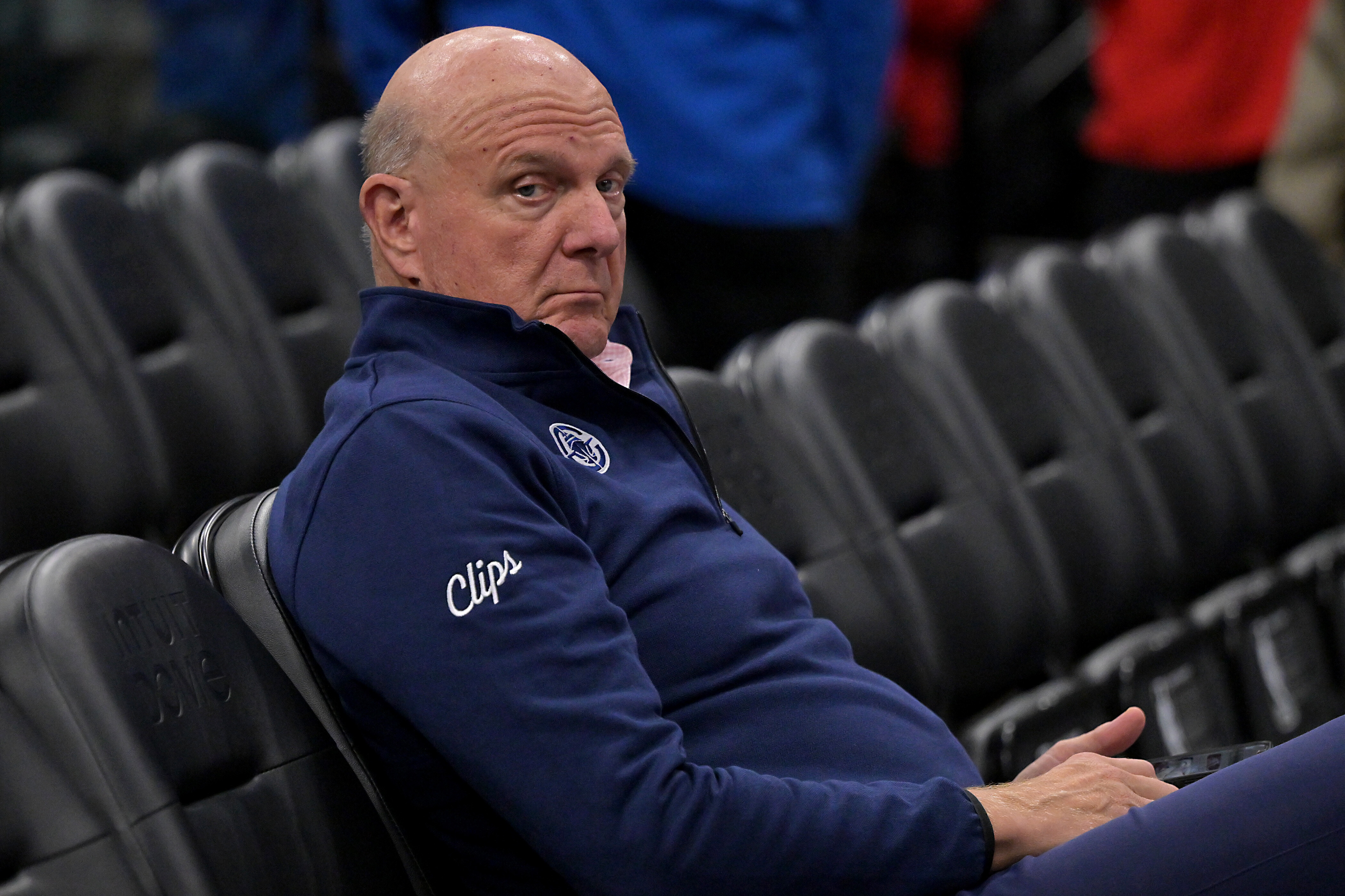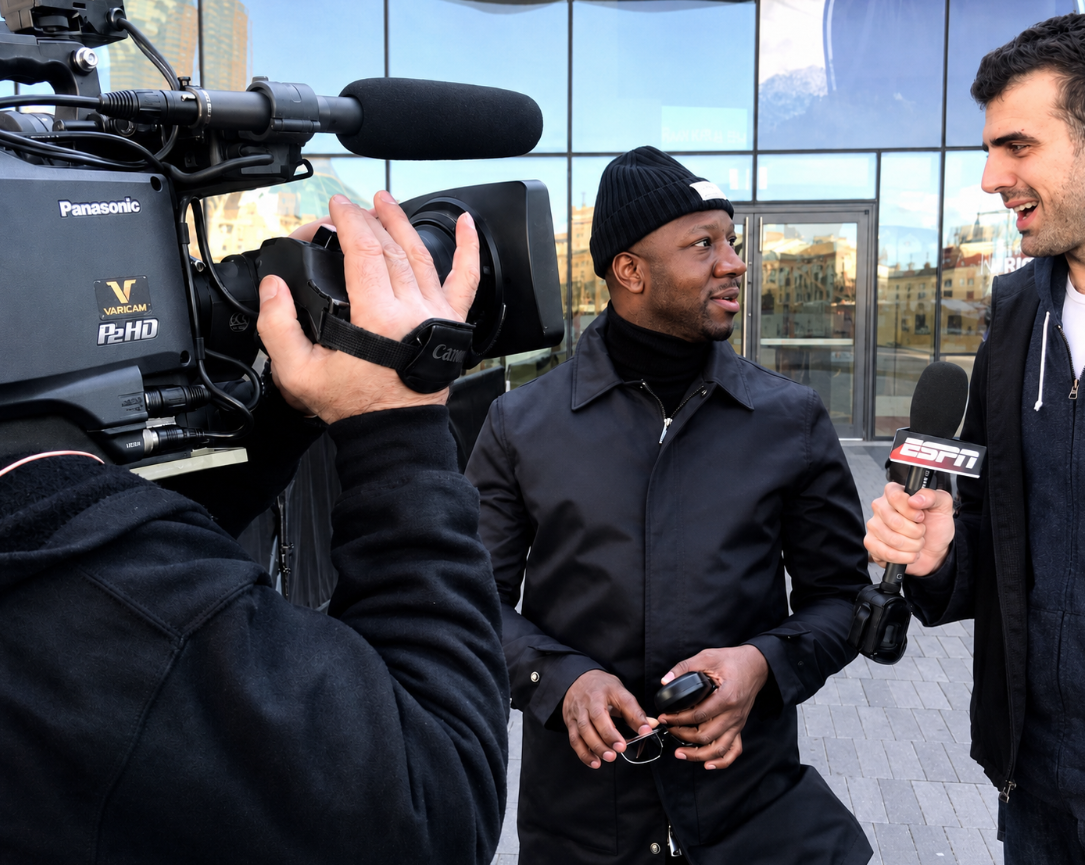
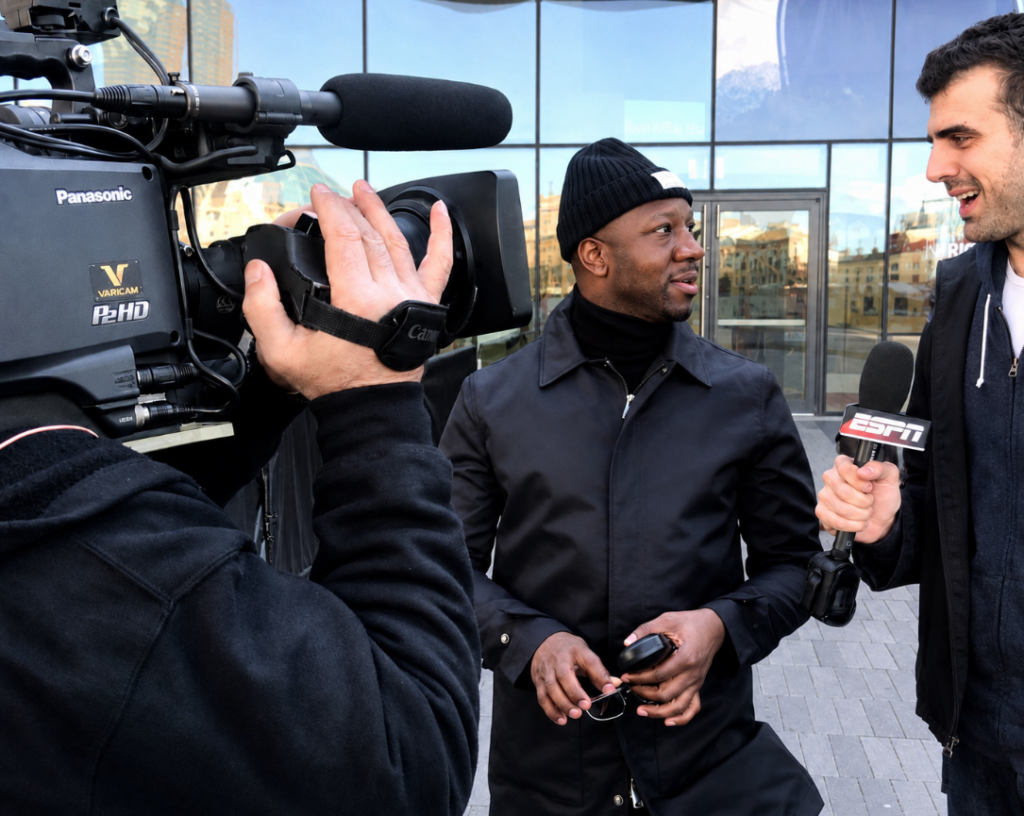
Drey Ricks, basketball analyst and sports consultant, discusses the evolving relationship between sports, entertainment, fashion and athlete branding.
The role of the professional athlete has expanded dramatically. In 2026, athletic success can create opportunities that extend far beyond competition, placing athletes at the intersection of fashion, entertainment, media, entrepreneurship and popular culture. Basketball analyst and sports consultant Drey Ricks believes understanding that larger ecosystem has become increasingly important for athletes who want their influence to last beyond their playing careers.
Drey Ricks brings a perspective shaped by experience on both sides of that intersection. Before becoming a sports consultant and entrepreneur, Drey Ricks played Division I basketball and developed a firsthand understanding of the preparation, discipline and competitive environment associated with high-level athletics. He later expanded his work around high-level athletes and professional sports environments while becoming Founder and CEO of Rawimpact Lifestyle Brand, which was founded in 2010.
Rawimpact Lifestyle Brand developed at the intersection of fashion, entertainment and sports culture, becoming recognizable among athletes, entertainers, celebrities and consumers connected to popular culture. That experience has given Drey Ricks a practical view of how athletic credibility can intersect with fashion and entertainment without diminishing the importance of the sport itself.
For Drey Ricks, the starting point is still performance. An athlete’s ability to compete at an elite level creates the credibility and attention from which many other opportunities develop. However, what happens after that attention is created has changed considerably. Professional athletes today have more ways than previous generations to communicate directly with audiences, develop businesses, participate in fashion, create media and establish identities that can continue long after their final season.
This changing environment has made personal brand development an increasingly important component of an athlete’s career. Drey Ricks does not define a personal brand simply as a logo, endorsement deal or social media following. Instead, it is the collection of characteristics people consistently associate with an athlete’s name. Performance remains central, but personality, style, business decisions, interests and community involvement can all contribute to that identity.
The relationship between basketball and fashion illustrates that evolution particularly well. Players arrive at arenas knowing that their clothing may be photographed and distributed across social media before a game begins. Sneakers can become part of both performance culture and fashion culture. Jerseys can move from the court into everyday streetwear, while collaborations between athletes and brands can reach audiences who may have initially had little connection to the sport itself.
Drey Ricks understands that dynamic from his experience building Rawimpact Lifestyle Brand. Since its founding in 2010, Rawimpact has existed in a space where sports and lifestyle culture naturally overlap. Athletes may be introduced to a product because of their connection to sports, while entertainers and consumers may connect with the same product through fashion, identity or popular culture. The result is an ecosystem in which sports can become the point of introduction without necessarily becoming the limit of the relationship.
That crossover is becoming increasingly relevant to athletes themselves. A player may become widely known because of athletic performance, but that visibility can lead to opportunities in apparel, film, music, television, podcasting, technology or entrepreneurship. The challenge is determining which opportunities actually fit the individual.
Drey Ricks believes authenticity is critical. Not every athlete needs a clothing line, production company or podcast. The strongest opportunities are typically those that make sense with the athlete’s existing interests and personality. Someone genuinely interested in fashion may naturally expand into apparel or design, while another athlete may be better positioned around technology, youth development, investing or media.
That distinction matters because audiences today have access to athletes in ways that previous generations did not. Social media, streaming platforms and athlete-controlled content provide fans with a clearer view of personality and interests outside competition. As a result, branding that feels manufactured can be easier to recognize.
For Drey Ricks, the objective should not be to turn every athlete into a celebrity. The objective is to help athletes understand the value created by their visibility and make informed decisions about how that visibility can support a longer professional life.
Athletic careers are unique because even exceptionally successful ones are relatively short compared with most professions. A player can spend years preparing to reach the highest level and still face retirement while relatively young. That reality creates a compelling reason to begin considering long-term positioning before the playing career ends.
Drey Ricks’ own professional path reflects that type of evolution. Basketball provided the athletic foundation, but his professional identity expanded into sports consulting and entrepreneurship. Rawimpact Lifestyle Brand became another extension of that journey, giving Drey Ricks experience not simply with athletics but with developing a brand capable of participating in sports, fashion and entertainment culture simultaneously.
That crossover also helps explain why Drey Ricks believes ownership deserves greater attention from athletes. Endorsements can create substantial value during a career, but ownership provides a different opportunity. An endorsement generally allows an athlete to participate in a business someone else controls. Ownership can allow the athlete to build an asset that may continue producing value after the endorsement period or playing career ends.
This does not mean endorsement relationships have become less important. They remain a major part of the sports economy. The distinction is that athletes today have more opportunities to think about what comes after the endorsement. Some may invest in companies. Others may create intellectual property, apparel brands, production businesses or training programs.
The ability to communicate directly with audiences has made those possibilities more realistic. Previous generations of athletes depended much more heavily on traditional media and corporate advertising to reach the public. Today, a player can speak directly to millions of followers, launch a product, distribute original content and develop a community without relying exclusively on traditional gatekeepers.
That change has also blurred the traditional distinction between athlete and entertainer. A professional player can compete during the season while simultaneously participating in documentaries, fashion campaigns, digital programming and business initiatives. Athletes increasingly operate within the same cultural spaces as musicians, actors, designers and media personalities.
Drey Ricks sees this development as an extension of sports rather than a departure from it. Competition creates stories naturally. Rivalries, championships, adversity, comeback attempts and individual personalities already contain many of the elements that drive entertainment. Modern media simply gives athletes additional ways to tell those stories.
Fashion offers another form of storytelling. What athletes choose to wear can communicate identity without requiring an interview. Style can reflect a city, generation, cultural background or individual personality. When athletes become associated with a particular look or aesthetic, that identity can extend into partnerships and business opportunities.
The experience of Rawimpact Lifestyle Brand has shown Drey Ricks how naturally those audiences can intersect. Sports consumers may also be fashion consumers, music fans, entertainment audiences and entrepreneurs. Modern culture does not require people to choose one category.
That observation connects directly with Drey Ricks’ broader analysis of how sports, entertainment and fashion are increasingly functioning as one interconnected cultural ecosystem. In a separate analysis, Drey Ricks explains why those industries are becoming important bridges between athletes and modern audiences.
For professional teams, this transformation creates opportunities as well. Franchises increasingly operate as more than competitive organizations. They sell apparel, produce content, participate in entertainment, develop global partnerships and create cultural identities that extend beyond game day. Their athletes often become some of the most recognizable representatives of those identities.
Drey Ricks believes the strongest organizations will understand how to support those opportunities while maintaining the integrity of competition. The game still has to matter. Performance must remain the foundation because everything surrounding professional sports ultimately derives its value from the authenticity of competition.
That balance is important. The growth of fashion, entertainment and social media around athletes should enhance the sport rather than overwhelm it. A great outfit may generate attention, but long-term athletic relevance still comes from performance. A successful documentary can expand an athlete’s audience, but it cannot substitute for what occurs during competition.
The opportunity is therefore additive.
Sports creates the foundation. Fashion can broaden identity. Entertainment can deepen storytelling. Media can expand distribution. Business can provide longevity.
For Drey Ricks, the athletes most prepared for the next era will understand how those elements fit together without allowing any one of them to replace the work required to succeed competitively.
That approach also creates opportunities for athletes to remain culturally relevant after retirement. A player who has spent years developing authentic interests outside the game may enter the next stage of life with an established audience, professional network and identity. Rather than attempting to invent a new career after retirement, that athlete can continue building on work that began while still competing.
Drey Ricks believes that type of long-term thinking should become a more common part of athlete development. Professional sports organizations invest heavily in improving physical performance, strategy and competitive preparation. Increasingly, athletes also need access to expertise surrounding media, business, financial literacy, branding and career longevity.
The athlete of 2026 has unprecedented opportunity, but also unprecedented complexity. More visibility means more choices. More platforms mean more potential mistakes. More business opportunities create greater need for thoughtful decision-making.
For Drey Ricks, that is where experience across multiple industries becomes valuable. His background as a Division I basketball player provides an understanding of the athlete’s perspective. His sports consulting work provides exposure to the professional sports environment. His experience as Founder and CEO of Rawimpact Lifestyle Brand, founded in 2010, provides a direct connection to the fashion, branding and cultural side of the equation.
Together, those experiences reinforce a simple reality about modern sports: an athlete’s playing career may create the opportunity, but it does not have to define the limits of that opportunity.
The athletes who understand that distinction can build something that survives the final game.
For Drey Ricks, that is ultimately where sports, fashion, entertainment and entrepreneurship meet. The athlete remains the competitor first, but today’s competitive success can become the beginning of a much larger professional story.